Scorpion control Tucson naturally emphasizes non-toxic methods focusing on early detection, yard maintenance, physical barriers, essential oils, monitoring, and community efforts. Key strategies include identifying droppings and live scorpions, sealing entry points, using natural repellents like diatomaceous earth and citrus oils, and collaborative neighborhood cleanups to minimize scorpion habitats in Tucson's warm, dry climate, targeting the species' life cycle for effective prevention.
Scorpion infestations pose a significant concern for many homeowners, particularly in regions like Tucson known for their arid climates favorable to these arachnids. Spotting signs early is crucial not only for effective scorpion control Tucson but also for ensuring the health and safety of your family and pets. Understanding the subtle cues these creatures leave behind can prevent a minor issue from escalating into a full-blown infestation. This article provides an authoritative guide, offering practical insights to help you identify and address scorpion activity before it becomes a pressing problem.
- Recognize Common Scorpion Habitat and Behaviors
- Identify Visual Signs: Nests and Droppings
- Understanding Scorpion Life Cycle: Eggs to Adult
- Natural Scorpion Control Methods in Tucson
Recognize Common Scorpion Habitat and Behaviors
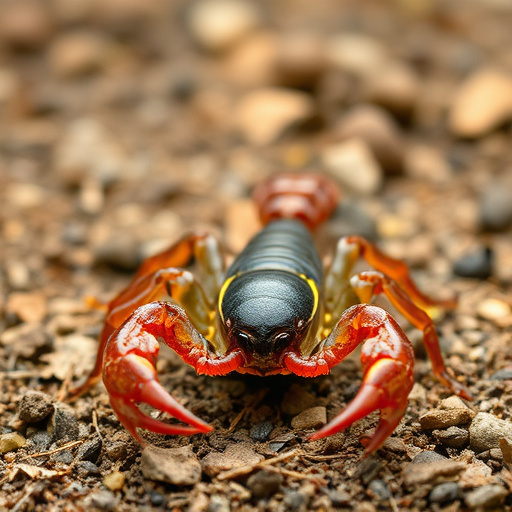
Scorpions are particularly adept at integrating into various environments, making their presence often undetected until an infestation takes hold. Understanding where and how they thrive is a critical first step in scorpion control Tucson naturally. These arachnids prefer warm, dry climates and commonly inhabit areas with minimal disturbance and abundant shelter. In residential settings, this translates to cracks, crevices, and dark corners within homes, especially in the basement or attic. They are also attracted to water sources, so areas around plumbing vents and leaky pipes can be hotbeds for activity.
Recognizing their behavioral patterns is equally vital. Scorpions are nocturnal creatures, becoming more active as the sun sets. They rely on heat sensors and a leg-mounted stroke system to detect prey and navigate their surroundings. This behavior makes them particularly drawn to areas where warmth and motion converge, such as beneath objects that retain heat or near heating vents. Additionally, scorpions often bury themselves in the ground, leaving only their tails exposed as a means of camouflage and defense.
The presence of scorpion droppings—small, rod-like excrements—is a clear sign of infestation. These droppings can be found in areas where scorpions frequent, indicating active nesting grounds. It’s crucial to note that while some scorpion species are more aggressive, many prefer to avoid confrontation, only striking when provoked or threatened. Understanding these habits empowers residents to employ natural deterrents like keeping homes clean and free of clutter, sealing entry points, and using essential oils known to repel scorpions, such as citronella and lavender. For persistent issues, professional services specializing in scorpion control Tucson naturally can provide effective, safe solutions.
Identify Visual Signs: Nests and Droppings

Identifying visual signs is a crucial step in spotting a scorpion infestation. One of the most obvious indicators is the presence of nests. Scorpions tend to build their nests in protected areas, such as under rocks, in crevices, or within piles of debris. In Tucson, naturally occurring rock formations and dry climates create ideal conditions for these hiding spots. When searching for nests, inspect corners, cracks, and dark recesses. Look for a cluster of tiny holes, which are the entrances to the nest, surrounded by a web-like structure – a telltale sign of scorpion activity.
Additionally, scorpion droppings can offer valuable clues. These fecal pellets are typically small, rod-shaped, and range in color from brown to black. They may be found near nests or in areas where scorpions frequently travel. Unlike other pests, scorpions leave behind distinct evidence of their presence. For instance, a consistent sighting of these droppings in your home or outdoor spaces could indicate an established infestation. It’s important to note that scorpion control Tucson naturally emphasizes non-toxic methods and understanding behavior to address infestations effectively without resorting to harsh chemicals.
Regular inspections are key to early detection. Implementing preventive measures like sealing entry points, maintaining a clean environment, and removing potential hiding spots can significantly reduce the risk of an infestation. If signs persist, consulting with a professional scorpion control service in Tucson is advisable. They can provide expert analysis, employ safe and effective strategies tailored to local conditions, and offer long-lasting solutions for peaceful coexistence with these fascinating – albeit potentially dangerous – creatures.
Understanding Scorpion Life Cycle: Eggs to Adult

Understanding the scorpion life cycle is crucial when spotting signs of an infestation. Scorpions go through four stages: egg, nymph, sub-adult, and adult. In Tucson, where natural scorpion control methods are preferred, recognizing these stages can help homeowners implement effective strategies to manage and prevent invasions.
During the egg stage, scorpions lay their eggs in protected areas such as cracks, crevices, and under debris. After an incubation period of 2-3 months, depending on the species and environmental conditions, nymphs emerge. These young scorpions are smaller versions of adults but lack wings and reproductive organs. They grow through a series of molts, shedding their exoskeletons to accommodate their increasing size. This stage can last several months, during which nymphs become more active and start seeking food independently.
As nymphs mature, they transition into the sub-adult phase. At this point, they have fully developed legs and wings but are still unable to reproduce. Sub-adult scorpions continue to feed and grow until they reach adulthood. In Tucson, where natural control methods like sealing entry points and maintaining yard cleanliness are employed, the presence of sub-adult scorpions can indicate an ongoing or potential infestation.
Upon reaching adulthood, scorpions become reproductive and their life cycle begins anew. Adult scorpions typically live for 2-3 years, during which they mate and establish territories. Understanding this lifecycle allows Tucson residents to take proactive measures like scorpion control Tucson naturally by addressing potential breeding grounds and hiding spots. Regular inspections, sealing entry points, and proper yard maintenance can significantly reduce the likelihood of a full-blown infestation.
Natural Scorpion Control Methods in Tucson
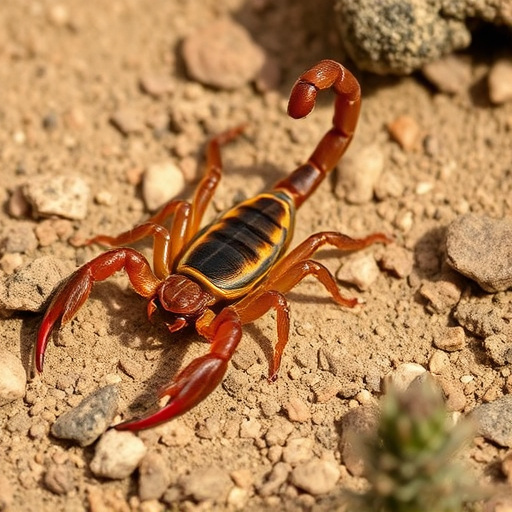
In Tucson, where scorpions are a common pest, many residents seek effective yet natural scorpion control methods. Unlike traditional chemical treatments, natural approaches focus on non-toxic solutions that coexist with local ecosystems. One of the primary strategies involves identifying signs of infestation early. Scorpion droppings, or frass, often resemble small black pellets mixed with sand, and their distinct pungent odor can be a telltale clue. Additionally, live scorpions may be spotted in outdoor areas, particularly at night during warmer months.
Natural scorpion control begins with proper yard maintenance. Regularly trimming vegetation, clearing debris, and sealing potential entry points like cracks and crevices significantly reduce scorpion habitats. Implementing physical barriers such as diatomaceous earth or boric acid dust along foundations can deter scorpions from entering homes. Essential oils like citrus, mint, and tea tree oil have shown promise in repelling scorpions; diluted solutions can be sprayed around problem areas. For instance, a study by the University of Arizona found that specific plant extracts and essential oils proved effective in repelling desert spiders, closely related to scorpions, for up to several weeks.
Scorpion control Tucson naturally also involves monitoring and modifying behavior patterns. Placing yellow sticky traps in strategic locations can capture scorpions without harm. These traps are particularly useful for identifying the types of scorpions present and assessing their population size. Once identified, targeted removal techniques can be employed. For instance, if a scorpion nest is discovered, carefully removing the nesting material while taking precautions to avoid stings is essential. Community-based efforts, such as organized neighborhood cleanups, also play a crucial role in long-term prevention by reducing outdoor attractions for scorpions and fostering a collaborative approach to natural pest management.
Understanding scorpion behavior and habitat is key to effective scorpion control Tucson naturally. By recognizing common nesting sites, visual signs like nests and droppings, and understanding the scorpion life cycle, you can proactively address infestations. This article has provided valuable insights into these areas, empowering you with the knowledge to identify and manage scorpions safely and naturally in your Tucson environment. Implement these strategies consistently for optimal scorpion control results, ensuring a safer, pest-free home and community.