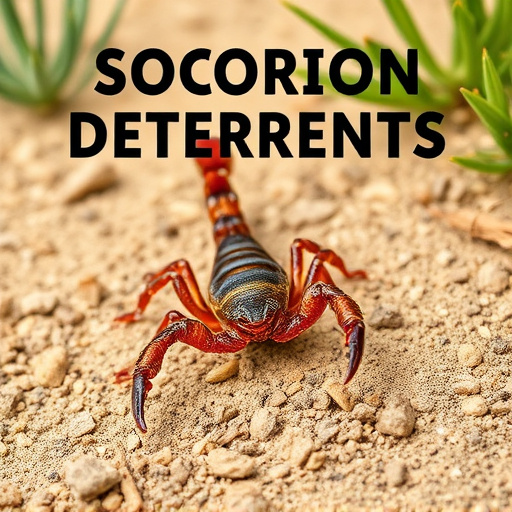
The Catalina Foothills near Tucson, Arizona, host a diverse scorpion population adapted to desert conditions through robust legs for rocky terrain navigation and burrowing for temperature regulation. Natural control methods focus on understanding predator-prey dynamics (e.g., birds, insects) and habitat manipulation like landscaping, trimming vegetation, and removing hiding spots. "Scorpion control Tucson naturally" emphasizes eco-friendly repellents, collaborative habitat restoration, and Scorpion-Safe Zones to maintain ecological balance while preserving human safety from scorpion stings. Regular monitoring ensures methods remain effective and environmentally responsible.
Scorpion populations thrive in the arid landscapes of Tucson’s Catalina Foothills, posing a unique challenge for residents and visitors alike. Understanding their habitat and survival strategies is crucial for effective scorpion control Tucson naturally. This article delves into the intricate relationship between these arachnids and their desert environment, exploring factors that influence their distribution and abundance. By unraveling the complexities of scorpion ecology, we aim to provide valuable insights for managing these creatures harmoniously within their natural realm, ensuring both human safety and ecological balance in the region’s vibrant desert tapestry.
- Understanding Scorpion Biology in Tucson's Desert
- Catalina Foothills' Ecosystem: Home to Scorpions
- Natural Scorpion Control Methods for Safe Coexistence
- Human Interaction and Preventive Measures in Scorpion Country
Understanding Scorpion Biology in Tucson's Desert

The Catalina Foothills, surrounding Tucson, Arizona, present a unique desert environment that plays host to an array of wildlife, including various scorpion species. Understanding these scorpions’ biology is crucial for both appreciating their role in the ecosystem and implementing effective scorpion control Tucson naturally. These arachnids have adapted to thrive in this harsh climate, showcasing remarkable resilience and specialized behaviors that enable them to survive and prosper.
Scorpions in Tucson’s desert exhibit distinct physiological adaptations. Their thick set legs and strong claws allow them to traverse the rocky terrain with ease. Moreover, their ability to burrow provides refuge from extreme temperatures, ensuring they remain active during cooler nights and avoiding the scorching midday sun. This behavior is particularly significant as it influences where and when control measures should be implemented. For instance, targeting burrows during the late afternoon or early morning may be more effective, allowing for scorpion control Tucson naturally that respects their biological rhythms.
The diet of these desert scorpions primarily consists of insects, arachnids, and small vertebrates, with some species specializing in hunting specific prey. This knowledge is valuable for natural control methods as it suggests using certain insect predators to keep scorpion populations in check. For example, introducing predatory ants or spiders can help regulate scorpion numbers without resorting to chemical treatments. Additionally, maintaining a balanced ecosystem through responsible land management practices contributes to keeping scorpion populations healthy and minimizes the need for aggressive scorpion control Tucson interventions.
Catalina Foothills' Ecosystem: Home to Scorpions

The Catalina Foothills, a rugged and vibrant desert landscape surrounding Tucson, Arizona, presents a unique and challenging environment for various species, including scorpions. This region’s ecological diversity offers both refuge and hazard for these arachnids, making it an intriguing study area for understanding scorpion habitat and survival strategies. Here, the harsh conditions of extreme temperatures, limited water sources, and sparse vegetation give way to a complex web of life, where scorpions play a crucial role as predators and scavengers.
The ecosystem of the Catalina Foothills provides a diverse range of microhabitats suitable for scorpions. From rocky crevices and desert washes to scrublands and mesquite forests, these environments offer protection, food sources, and hiding places. One of the most common scorpion species in this region is the Desert Hairy Scorpion (Androctonus australis), known for its ability to withstand extreme conditions. They primarily hunt insects and other arthropods, contributing to maintaining the balance within the local food web. The availability of burrowing sites is essential for scorpion survival; they can quickly retreat underground during intense sunlight or when threatened, ensuring their protection from predators and excessive heat.
Scorpion control in this ecosystem is a delicate matter. In contrast to some urban areas where scorpions might be considered pests, the Catalina Foothills are part of a natural environment that relies on these creatures for ecological balance. “Scorpion control Tucson naturally” involves understanding and preserving this balance. Local conservation efforts focus on minimizing human disturbance to scorpion habitats, promoting responsible land management practices, and educating residents about living harmoniously with these desert inhabitants. By appreciating the intricate relationship between scorpions and their environment, residents can contribute to the long-term health of this unique ecosystem.
Natural Scorpion Control Methods for Safe Coexistence

The Catalina Foothills’ desert ecosystem presents a unique challenge for both residents and visitors, as it is home to a diverse range of wildlife, including scorpions. While these arachnids play a vital role in maintaining ecological balance, their presence can cause concern among locals. Natural scorpion control methods offer a humane and environmentally friendly approach to managing these populations, fostering safe coexistence in the Tucson area. One effective strategy involves understanding and mimicking the natural predators of scorpions. Birds, such as roadrunners, are known to prey on scorpions, so creating habitats that support bird populations can help keep scorpion numbers in check. Additionally, certain insects like ants and centipedes feed on scorpions, so promoting a balanced insect ecosystem contributes to natural control.
In terms of prevention, proper landscaping is key. Removing potential hiding spots like dense vegetation and piles of wood or debris decreases the likelihood of human-scorpion encounters. Instead, opt for open, well-maintained spaces with gravel or rock gardens, as these materials discourage scorpions from establishing territories. Regularly trimming vegetation and securing outdoor trash cans can also significantly reduce scorpion activity. For those facing persistent issues, professional natural scorpion control services in Tucson offer tailored solutions. These experts employ methods like targeted treatments with natural repellents and specialized equipment to eliminate scorpions without harming non-target species.
Community education is another critical aspect of safe coexistence. Residents should be informed about the behavior and habits of local scorpion species, helping to dispel myths and reduce unnecessary panic. Learning to identify different scorpion types can enable people to appreciate their presence while also knowing when professional assistance is required. By combining natural habitat manipulation, prevention techniques, and community engagement, the Tucson area can effectively manage scorpions, ensuring both human safety and ecological balance in these sensitive desert environments.
Human Interaction and Preventive Measures in Scorpion Country

The Catalina Foothills, with their arid landscapes and diverse ecosystems, serve as a critical habitat for scorpions, particularly the common Sonoran Desert species. Human interaction in these areas, while offering opportunities for exploration and appreciation of nature, poses challenges due to the potential risks associated with scorpion stings. In Tucson, where scorpion control measures are a topic of both local interest and expert concern, understanding human-scorpion dynamics is essential for both residents and visitors.
Preventing unwanted encounters involves a blend of awareness, habitat management, and natural methods. One effective strategy is to familiarize oneself with the behaviors and habitats of local scorpion species. The Sonoran Desert scorpion, for instance, tends to seek shelter in rock crevices during the day and becomes more active at night when hunting for prey. By avoiding disturbing their hiding places and taking precautions during evening activities, individuals can significantly reduce the risk of stings. Additionally, maintaining a clean environment, especially around outdoor living spaces, is crucial. Scorpion control in Tucson naturally focuses on eliminating water sources and removing potential hiding spots, such as dense vegetation or cluttered areas, to discourage scorpions from settling nearby.
When implementing scorpion control measures, it’s important to consider the ecological impact. Using natural repellents, like certain plant essential oils known to deter scorpions, offers a safer alternative to chemical pesticides. Community efforts to establish Scorpion-Safe Zones through collaborative habitat restoration projects have shown promise in reducing scorpion populations while preserving biodiversity. These proactive approaches not only protect human health but also foster a harmonious relationship between humans and these intriguing desert inhabitants. Regular monitoring and adaptive management strategies ensure that control methods remain effective and environmentally responsible, ultimately contributing to a safer and more sustainable coexistence in the Catalina Foothills’ unique ecosystem.
Understanding scorpion biology within Tucson’s desert ecosystem is key to effective scorpion control in Catalina Foothills. This article has provided valuable insights into the natural habitat and survival strategies of scorpions, offering practical guidance for safe coexistence. By employing natural control methods, such as habitat modification and beneficial insects, residents can minimize scorpion populations while preserving ecological balance. Human interaction preventive measures, including proper footwear and outdoor lighting adjustments, further contribute to a harmonious relationship with these desert inhabitants. With this comprehensive knowledge, Tucson residents are empowered to take proactive steps towards scorpion control naturally, ensuring both human safety and environmental stewardship.