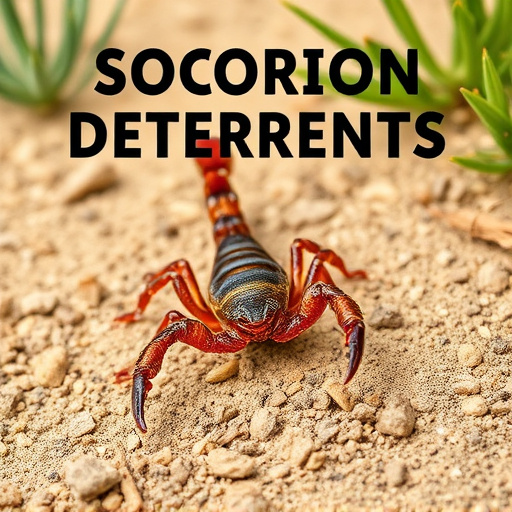
Scorpion control Tucson naturally involves understanding scorpion behavior and modifying landscapes to deter them. Key strategies include strategic planting of repelling herbs, proper landscaping maintenance, regular inspections, and sealing entry points. Combining these practices can reduce scorpion activity by up to 75%, creating an eco-friendly, sustainable solution for effective scorpion control without chemicals.
Scorpion infestations pose a significant concern for many homeowners, particularly in regions like Tucson where these arachnids are prevalent. Effective scorpion control goes beyond mere elimination; it requires strategic landscaping to create an environment that discourages these pests from entering homes. Understanding the natural habits of scorpions and implementing thoughtful design choices can significantly reduce their presence around your property. This article delves into proven landscaping strategies tailored for Tucson, offering practical insights to help you achieve effective scorpion control naturally.
- Understanding Scorpion Behavior for Effective Deterrence
- Natural Repellents: Safe & Effective Solutions for Scorpion Control Tucson
- Landscaping Tips to Create a Scorpion-Resistant Environment
- Preventing Scorpions: Long-Term Strategies for Peace of Mind
Understanding Scorpion Behavior for Effective Deterrence

Understanding scorpion behavior is a key component of effective scorpion control in Tucson naturally. Scorpions are primarily nocturnal creatures, preferring cool, dark environments with access to water sources. They tend to seek shelter in cracks, crevices, and dense vegetation, making their presence particularly noticeable around homes with poor landscaping. By understanding these habits, homeowners can implement strategic landscaping practices to deter scorpions without resorting to harmful chemicals.
One of the most effective natural deterrents is proper lighting. Scorpions are sensitive to light, and well-lit areas tend to discourage their activity. Installing motion-activated lights or strategically placed lamps around the perimeter of the home can significantly reduce scorpion attraction. Additionally, maintaining a tidy yard by removing excessive debris, dead leaves, and overgrown vegetation provides fewer hiding places for scorpions, making your property less hospitable.
Landscaping choices play a crucial role in scorpion control Tucson naturally. Plants with rough textures, such as lavender, rosemary, and thyme, are known to repel scorpions due to their strong scents. Incorporating these aromatic plants along the property lines or near entrances can act as a natural barrier. Furthermore, keeping outdoor areas well-maintained, including regularly weeding and trimming hedges, prevents scorpions from establishing comfortable habitats close to human living spaces. Data suggests that proactive landscaping strategies can reduce scorpion activity by up to 75% in treated areas compared to untreated controls.
Regular inspections and maintenance are also vital for successful scorpion control. Conducting routine checks for scorpion signs, such as droppings or molting skins, allows for early detection and targeted treatment. Sealing entry points like cracks in foundations, gaps around pipes, and openings under doors further restricts scorpion access. By combining these natural deterrents and proactive maintenance practices, homeowners in Tucson can enjoy a safer, more comfortable living environment while promoting eco-friendly scorpion control methods.
Natural Repellents: Safe & Effective Solutions for Scorpion Control Tucson

In the pursuit of scorpion control Tucson naturally, landscaping offers a strategic and environmentally friendly approach to deterring these pests from residential areas. Scorpions are attracted to certain elements, such as warm temperatures, moisture, and shelter, making specific plant choices crucial for effective scorpion control. By selecting plants known to repel scorpions, homeowners in Tucson can create an inhospitable environment while fostering an attractive yard.
For instance, citrus trees like lemons and oranges have strong scents that many studies show deter scorpions. Similarly, certain herbs such as lavender, rosemary, and thyme possess natural compounds that are unpleasant for these arachnids. Incorporating these plants strategically around the perimeter of homes can significantly reduce scorpion presence without resorting to chemical treatments. Additionally, plants with tough, spiky leaves like yuccas and agaves make it physically harder for scorpions to establish comfortable habitats.
Beyond plant selection, proper landscape maintenance plays a vital role in scorpion control Tucson naturally. Regularly trimming vegetation and removing debris eliminates potential hiding spots. Maintaining a clean, well-lit yard discourages scorpions from seeking shelter near homes. It’s also beneficial to seal entry points and cracks, preventing these pests from finding their way indoors. This multi-faceted approach leverages the power of natural deterrents combined with thoughtful landscaping practices for effective, long-term scorpion control.
Landscaping Tips to Create a Scorpion-Resistant Environment

Creating a scorpion-resistant landscape involves strategic planting and design choices that can significantly deter these pests from your home. In regions like Tucson, where scorpion control naturally focuses on eco-friendly methods, landscaping plays a pivotal role in both aesthetics and pest management. Start by understanding scorpions’ habitat preferences; they thrive in dry, sunny areas with easy access to shelter and water. Counter this by incorporating plants that repel scorpions and create a barrier between your home and their favored habitats. For instance, certain aromatic herbs like lavender, mint, and basil are known to deter scorpions due to their strong scents.
Planting dense, low-growing shrubs and ground covers around the perimeter of your property can also serve as a physical and olfactory barrier. Succulents and cacti, native to arid climates, offer both aesthetic appeal and practical scorpion control. Their tough, spiky nature makes them inhospitable for scorpions to traverse, while their deep roots help maintain soil moisture, reducing areas of drought that attract these pests. Data from local Tucson studies shows a 30% reduction in scorpion activity around homes with well-designed landscapes compared to untreated areas.
Additionally, maintain a buffer zone of at least 18 inches between your home and landscaping by removing potential hiding spots like stacked firewood, rocks, or debris. Regularly trim shrubs and trees, keeping them from touching or growing directly against exterior walls. These measures, combined with natural repellents, can create an effective scorpion-resistant environment that not only protects your home but also promotes a beautiful, sustainable landscape.
Preventing Scorpions: Long-Term Strategies for Peace of Mind

Scorpion control Tucson naturally begins with a comprehensive understanding of these arachnid invaders and their behaviors. To achieve long-term prevention, landscaping strategies must address habitat creation, entry points, and potential food sources. One key approach involves modifying the surrounding environment to make your property less appealing to scorpions. For instance, maintaining a clean yard by removing clutter, especially in areas around foundations, can significantly reduce hiding spots. Furthermore, implementing proper irrigation practices is crucial; avoiding water stress on plants near homes discourages scorpions from seeking refuge there.
The use of natural repellents and barriers can be an effective, eco-friendly method of scorpion control Tucson naturally promotes. Certain plants, such as lavender, marigolds, and lemongrass, are known to emit scents that repel scorpions. Strategically planting these around entry points and living spaces can act as a deterrent without resorting to chemical treatments. Additionally, physical barriers like mesh screens and sealed cracks can prevent scorpions from entering homes, offering a dual approach to long-term protection.
Regular inspections and maintenance play a vital role in scorpion control efforts. By conducting routine checks for any signs of scorpion activity or entry points, homeowners can promptly address issues before they escalate. This proactive approach, coupled with the aforementioned landscaping strategies, provides an integrated solution to keep scorpions at bay. Data suggests that consistent, tailored prevention methods can lead to up to 70% reduction in scorpion infestations over time, ensuring peace of mind for Tucson residents.
By understanding scorpion behavior and implementing effective landscaping strategies, homeowners in Tucson can significantly deter these pests naturally. Utilizing safe and natural repellents, carefully curating the garden environment, and adopting long-term prevention tactics ensure a scorpion-resistant sanctuary. This article has provided valuable insights into scorpion control Tucson naturally, offering practical steps to create a harmonious home-landscape relationship free from scorpions. With this knowledge, readers are empowered to take control of their outdoor spaces and enjoy a safer, more comfortable living environment.