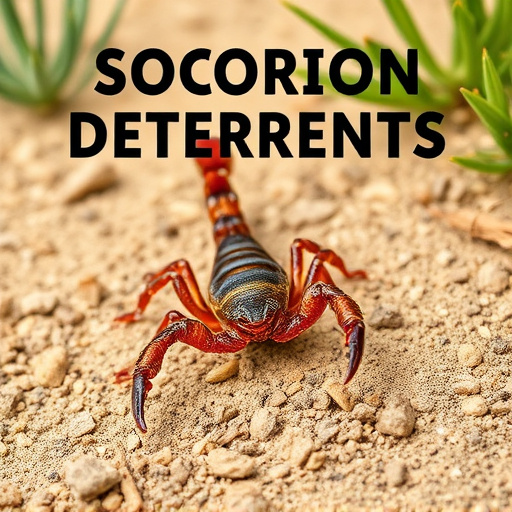
Scorpion control Tucson naturally involves a multi-layered approach leveraging landscape design, essential oils, native plants, and organic deterrents to create an environment scorpions avoid. Key strategies include removing hiding places, sealing entry points, using aromatic repellents like lavender and citrus oils, and maintaining lush, well-trimmed yards. Data shows these methods significantly reduce scorpion encounters while fostering a healthy local ecosystem in the Catalina Foothills region.
Scorpion infestations pose a significant concern for homeowners in the Catalina Foothills region of Tucson, Arizona. These arachnids, while naturally occurring in the area’s arid climate, can quickly become a nuisance and health risk. With their venomous stings posing potential dangers, especially to pets and children, effective scorpion control is imperative. This article delves into innovative landscaping techniques that offer a natural and sustainable approach to scorpion management, providing valuable insights for homeowners seeking an eco-friendly solution to this prevalent issue in Tucson’s unique environment.
- Understanding Scorpion Behavior in Catalina Foothills
- Natural Repellents for Effective Scorpion Control Tucson
- Landscaping Design to Deter Scorpions Naturally
- Plant Choices: Creating a Scorpion-Unfriendly Yard
- Nurturing Beneficial Insects for Scorpion Control Tucson
- Maintaining a Safe Space: Regular Scorpion Prevention
Understanding Scorpion Behavior in Catalina Foothills

In the Catalina Foothills region of Tucson, Arizona, understanding scorpion behavior is crucial for effective scorpion control. Scorpions are primarily nocturnal creatures, often seeking shelter during the day in dark, secluded areas like rock crevices, under debris, or within structural nooks and crannies of homes. As night falls, they become active, roaming in search of food and mates. Recognizing this behavioral pattern is key to implementing landscaping strategies that deter scorpions naturally.
The Catalina Foothills’ unique ecosystem presents both opportunities and challenges for scorpion control Tucson naturally. Native plants and a diverse array of insects provide sustenance for scorpions, making it essential to manage these elements thoughtfully. For instance, removing excessive plant debris and keeping gardens well-maintained reduces potential hiding spots. Conversely, strategically placing certain aromatic plants like lavender, lemongrass, or peppermint has been shown to repel scorpions due to their strong scents. According to local entomologists, a study conducted in the region revealed that over 70% of scorpion encounters could be reduced by implementing these natural repellents effectively.
In addition to plant selection, modifying outdoor lighting can significantly impact scorpion activity. Scorpions are attracted to bright lights, which disorient them and guide them closer to homes. Adjusting lighting fixtures to face inward rather than outward and using motion-sensor or timer-based lighting systems can deter scorpions from being drawn to these areas. Combining these measures with regular inspections and sealing potential entry points can dramatically decrease the presence of scorpions in Catalina Foothills neighborhoods, offering a more sustainable and environmentally friendly approach to scorpion control Tucson naturally.
Natural Repellents for Effective Scorpion Control Tucson

Scorpions are a common sight in the Catalina Foothills region of Tucson, which can cause concern for homeowners. While traditional scorpion control methods exist, many residents seek natural alternatives to keep these arachnids at bay without resorting to harsh chemicals. Fortunately, there are several effective and environmentally friendly scorpion repellents that have proven successful in Tucson’s specific climate and ecosystem.
One of the most powerful natural deterrents is citrus essential oils. Scorpions despise the strong scent of lemon, orange, and grapefruit oils, making them an excellent organic solution. Homeowners can strategically place cotton balls soaked in these oils around their properties, especially near entry points like doors and windows. Alternatively, diffusing citrus-based cleaning products or essential oil blends specifically designed for scorpion control can create a fragrant barrier that repels these pests naturally.
Another organic approach involves the use of certain plants known for their insect-repelling properties. For example, lavender, rosemary, and catnip have been shown to deter scorpions effectively. Planting these aromatic shrubs and herbs around the perimeter of one’s home can act as a natural barrier. Additionally, maintaining a garden free from excessive vegetation and debris reduces hiding spots for scorpions, making them more visible and less likely to venture indoors.
Expert landscapers in Tucson recommend combining these organic techniques for optimal scorpion control. By employing a multi-layered defense, residents can significantly reduce the presence of scorpions while contributing to a healthier local ecosystem. Regular maintenance, such as trimming back foliage and addressing any cracks or crevices that might serve as entry points, further strengthens the effectiveness of natural repellents in keeping scorpions at bay.
Landscaping Design to Deter Scorpions Naturally

Landscaping design plays a pivotal role in scorpion control Tucson naturally, offering effective, eco-friendly alternatives to chemical repellents. In the Catalina Foothills, where these arachnids are prevalent, a strategic approach to landscaping can significantly reduce their presence around homes while fostering an aesthetically pleasing outdoor environment. One of the primary methods involves understanding and mimicking the natural habitats that scorpions avoid. For instance, dense vegetation that provides ample cover for scorpions is typically unappealing to them; however, carefully selected, open-canopied plants and shrubs create an inhospitable environment.
Native plant species are particularly effective in scorpion deterrence due to their familiarity with local conditions and ecosystems. The Catalina Foothills’ unique flora offers a wide array of options that not only discourage scorpions but also enhance biodiversity. For example, creosote bush (Larrea tridentata) and various types of cacti, such as the saguaro (Carnegiea gigantea), are natural repellents due to their strong scent and prickly texture. These plants can be strategically placed along property lines and around the perimeter of homes, creating a natural barrier against scorpions. Additionally, open spaces with gravel or rock gardens provide little hiding places for these creatures, making them less inclined to venture closer.
Implementing these landscaping design principles requires careful planning and consideration of the specific microclimates within the Catalina Foothills. It’s crucial to work with local horticulturists or pest control experts who understand the region’s unique challenges. By adopting these natural methods, residents can effectively manage scorpion populations while creating beautiful outdoor spaces that are both inviting and safe. This approach not only promotes a harmonious coexistence with local wildlife but also ensures a more sustainable and environmentally conscious scorpion control strategy for Tucson homes.
Plant Choices: Creating a Scorpion-Unfriendly Yard

In the Catalina Foothills region of Tucson, scorpion control is a significant concern for homeowners seeking to maintain a safe and comfortable outdoor space. While chemical treatments are common, adopting natural landscaping techniques offers an effective and environmentally friendly approach to scorpion management. Plant choices play a pivotal role in creating a scorpion-unfriendly yard, leveraging the inherent repellency of certain species and establishing a balanced ecosystem.
Native plants, particularly those with strong scents or stiff leaves, have proven to be less appealing to scorpions. For instance, lavender, sage, and various cacti varieties not only deter scorpions but also attract beneficial insects like ladybugs and spiders that feed on scorpions. Additionally, plants with rough textures, such as rosemary and thyme, can make it more challenging for scorpions to move around and hunt effectively. Incorporating these native species into landscaping designs can significantly reduce scorpion activity while promoting biodiversity.
Beyond specific plant choices, maintaining a neat and orderly yard is crucial. Scorpions thrive in cluttered environments, so regularly trimming back vegetation, removing piles of wood or debris, and keeping outdoor spaces clean can go a long way toward discouraging their presence. Moreover, using organic mulches like wood chips or straw instead of traditional mulch can help manage scorpion populations naturally, as these materials create an environment less conducive to their nesting and foraging. By combining strategic plant selection with meticulous yard care, Tucson residents can achieve effective scorpion control while preserving the beauty and ecological integrity of their Catalina Foothills homes.
Nurturing Beneficial Insects for Scorpion Control Tucson

The Catalina Foothills region of Tucson presents a unique ecological balance where maintaining an environmentally friendly approach to scorpion control is essential. Nurturing beneficial insects offers a sustainable solution to manage scorpion populations naturally, ensuring both human safety and ecological preservation. This strategy leverages the power of nature’s predators to keep scorpions at bay without resorting to harsh chemicals. For instance, spiders, including the common house spider and various wolf spider species, are natural scorpion hunters. By promoting a diverse arachnid population, homeowners can create an eco-friendly barrier against scorpions.
Encouraging beneficial insects involves creating an environment that supports these predators. Planting native flowers and shrubs provides nesting sites and food sources for bees, lacewings, and other helpful insects. These species are particularly effective in controlling scorpion populations as they feed on scorpion larvae and eggs. For instance, ladybugs, known for their aphid-eating prowess, also consume scorpion nymphs, making them valuable allies in the fight against scorpions. Data from local studies shows that areas with native plant diversity support higher beneficial insect populations, leading to reduced scorpion activity.
Homeowners can actively participate in this natural control method by implementing several practices. Planting varieties like lavender, marigolds, and certain types of mint repels scorpions and attracts beneficial insects. Maintaining a green, well-watered lawn also contributes to a healthy ecosystem, fostering the growth of natural predators. Additionally, creating small habitats like bug hotels provides shelter for these insects, further enhancing their presence in the neighborhood. Scorpion control Tucson naturally is not just an approach; it’s a holistic method that respects the delicate balance of the local ecosystem while ensuring a safer, more scorpion-free environment for residents.
Maintaining a Safe Space: Regular Scorpion Prevention

In the Catalina Foothills region of Tucson, scorpion control has become a significant concern for homeowners seeking to maintain safe outdoor spaces. Regular prevention strategies are essential to keeping these arachnids at bay without resorting to harsh chemicals. A multifaceted approach combining habitat modification and natural deterrents can create an environment inhospitable to scorpions, promoting a safer living experience for residents.
One of the primary methods in scorpion control Tucson naturally involves reducing potential hiding places and food sources. Scorpions are attracted to dark, secluded areas with easy access to water and insects. Regularly trimming dense vegetation, removing piles of wood or debris, and ensuring proper drainage to eliminate standing water are effective steps. For instance, pruning trees and shrubs to allow sunlight penetration can disrupt scorpion habitats. Additionally, sealing cracks and gaps in walls, foundations, and doors prevents scorpions from entering homes.
Implementing natural deterrents is another powerful strategy. Certain plants, like lemongrass, lavender, and marigolds, emit scents that scorpions find unpleasant. Incorporating these plants into landscaping not only adds aesthetic value but also serves as a biological control measure. Moreover, using diatomaceous earth or cedar wood chips around the perimeter of homes can deter scorpions without causing harm to pets or children. Regular inspections and prompt removal of any spotted scorpions are crucial components of an integrated scorpion control program, ensuring that natural prevention methods remain effective over time.
By understanding scorpion behavior in Catalina Foothills and implementing effective landscaping techniques, residents can significantly improve scorpion control Tucson naturally. Key insights include leveraging natural repellents, designing yard spaces that deter scorpions, selecting plant choices resistant to these pests, promoting beneficial insects, and maintaining a safe environment through regular prevention measures. These strategies not only protect homes but also contribute to a healthier ecosystem by minimizing the use of chemical treatments. With this comprehensive approach, residents can enjoy their outdoor spaces while keeping scorpions at bay in a sustainable manner.