
Scorpion control Tucson naturally involves understanding habitat preferences, early detection through inspections and scent trails, using repellents like diatomaceous earth and natural landscape design. Sealing entry points, maintaining cleanliness, planting deterrents like lavender, lemongrass, sage, and rosemary, and strategic landscaping reduce scorpion activity. A multi-faceted approach tailored to seasonal changes, including professional guidance, ensures effective prevention in Catalina Foothills residences.
Catalina Foothills residents often face the unwelcome presence of scorpions, highlighting a pressing need for effective scorpion control Tucson naturally. These arachnids, while part of the local ecosystem, can pose significant risks within homes. This article provides an in-depth guide to prevent scorpion infestations, focusing on natural and safe methods tailored to the unique environment of the Catalina Foothills. By implementing these strategies, residents can enjoy a comfortable living space while minimizing harm to both humans and these intriguing creatures. We delve into proven techniques that offer long-lasting solutions, ensuring a secure and peaceful home environment.
- Understanding Scorpion Behavior in Tucson's Foothills
- Seal Entry Points: A Natural Scorpion Control Method
- Safe, Natural Repellents for Scorpion Deterrence
- Creating a Scorpion-Unfriendly Yard Ecosystem
- Proactive Measures: Seasonal Scorpion Prevention Strategies
Understanding Scorpion Behavior in Tucson's Foothills
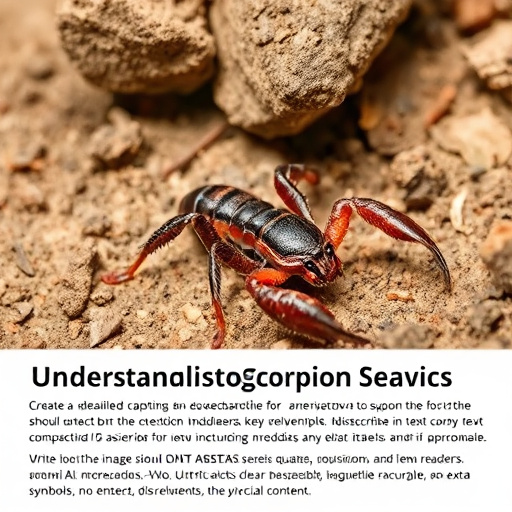
Understanding scorpion behavior is key to preventing these arachnids from invading your Catalina Foothills residence. In Tucson, scorpions are most active during the cooler months, seeking refuge in rock crevices and underground burrows when temperatures rise. They are attracted to moisture, so areas with poor drainage or standing water can become breeding grounds. Recognizing their preferred habitats allows for targeted prevention strategies. For instance, sealing cracks and gaps around foundations, ensuring proper drainage, and eliminating potential water sources nearby can significantly deter scorpions.
Regular inspections are vital, especially during the autumn when scorpions begin their hunting season. Walking around your property at night with a flashlight is an effective way to spot active scorpions or detect their distinct scent trails. This practice not only helps in early detection but also provides valuable data for targeted scorpion control Tucson naturally methods. For example, if you consistently find scorpions near specific plants, removing those plants or treating the area with natural repellents like diatomaceous earth or neem oil can be highly effective.
Additionally, understanding scorpion behavior encourages the use of non-toxic, environmentally friendly solutions. Scorpion control Tucson naturally can involve creating physical barriers using landscape design. Planting herbs like lavender and lemongrass, known for their insect-repelling properties, around your property’s perimeter can act as a natural deterrent without harming local ecosystems or pets. These strategies combine to create an integrated pest management approach that respects the delicate balance of Tucson’s foothills while ensuring your home remains scorpion-free.
Seal Entry Points: A Natural Scorpion Control Method
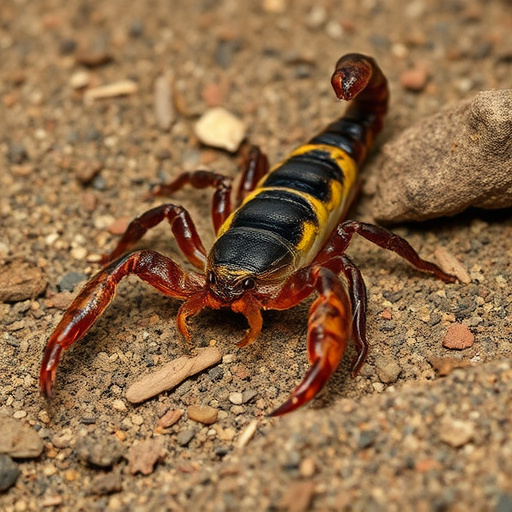
Scorpions are a common pest in the Catalina Foothills region of Tucson, Arizona, but effective scorpion control doesn’t have to involve harsh chemicals. One of the most natural and sustainable methods for preventing scorpions from entering residences is sealing entry points. This approach not only reduces scorpion infestations but also promotes a healthier living environment.
Starting with a thorough inspection, residents should identify common entry points such as gaps around pipes, electrical wires, doors, and windows. Even small cracks can serve as access points for scorpions. Using caulk or weatherstripping to seal these openings is an effective barrier. For example, a study conducted by the University of Arizona Cooperative Extension showed that sealing entry points reduced scorpion activity inside homes by up to 75%. It’s crucial to address these points proactively, as scorpions are adept at finding even the smallest openings.
In addition to physical sealing, maintaining a clean and clutter-free environment is key. Scorpions are attracted to dark, secluded spaces where they can hide. Regularly trimming vegetation and removing debris from around the house creates less appealing habitats for scorpions. Incorporating natural repellents like citrus peels or peppermint oil in strategic locations also discourages these pests. By combining sealing entry points with a clean environment and natural repellents, residents of Catalina Foothills can effectively manage scorpion control Tucson naturally while minimizing reliance on chemical treatments.
Safe, Natural Repellents for Scorpion Deterrence

In the Catalina Foothills region surrounding Tucson, scorpions are a common pest, but effective scorpion control naturally can be achieved without resorting to harsh chemicals. Homeowners can play a significant role in preventing these arachnids from entering their residences by employing safe and natural deterrents that harmonize with the local ecosystem. One of the most effective approaches is understanding and leveraging the specific scents and habits of scorpions, as they are sensitive to certain odors and environmental cues. For instance, many natural repellents like peppermint oil, lavender, and citrus extracts have proven successful in deterring scorpions due to their strong fragrances that these insects find unpleasant.
Implementing a multi-layered defense strategy is key to scorpion control Tucson naturally. Sealing entry points such as gaps around pipes, electrical wires, and windows with caulk or weatherstripping can significantly reduce scorpion infiltration. Maintaining a clean and clutter-free environment, particularly in outdoor areas, discourages scorpions from setting up territories. Regularly removing debris, including piles of wood, rocks, and leaves, creates less favorable habitats for scorpions to hide and hunt. Additionally, using natural barrier methods like applying diatomaceous earth or crushed red pepper around the perimeter of homes can serve as a physical deterrent without causing harm to pets or local wildlife.
The use of specific plants known to repel scorpions can also be an effective, natural solution. Herbs like sage, rosemary, and catnip have been shown through both anecdotal evidence and limited research to act as repulsives. Strategically planting these around the exterior of homes may help deter scorpions from approaching. Furthermore, maintaining a well-trimmed lawn and landscaping that reduces shadowed areas where scorpions prefer to rest during the day can make homes less appealing to these creatures. By combining these natural repellents with proper sealing and cleaning practices, Catalina Foothills residents can achieve effective scorpion control while minimizing potential environmental impact.
Creating a Scorpion-Unfriendly Yard Ecosystem
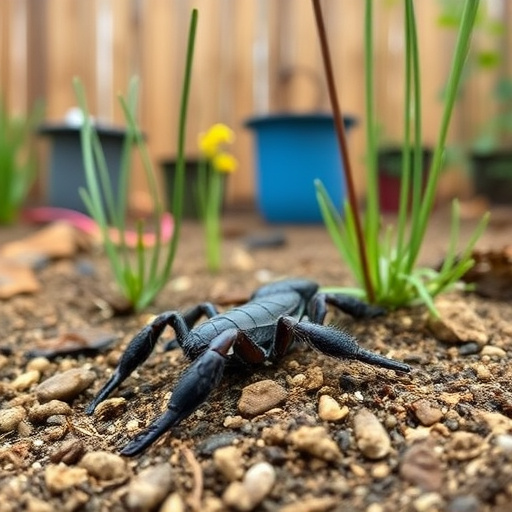
Creating a scorpion-unfriendly yard ecosystem is a multifaceted approach to scorpion control Tucson naturally, focusing on both physical barriers and habitat manipulation. One effective strategy involves removing potential hiding spots by keeping yards well-trimmed, clearing debris, and pruning dense vegetation close to buildings. Scorpions prefer secluded areas for shelter, so open spaces with good visibility deter them significantly.
Landscaping plays a crucial role in scorpion control. Planting herbs like lavender, rosemary, sage, and lemongrass, known for their natural pest-repelling properties, can create a fragrant barrier around your property. Additionally, incorporating certain plants that scorpions dislike, such as marigolds and chrysanthemums, can be part of a strategic garden design aimed at scorpion prevention. Regularly trimming these plants and replacing them as necessary ensures effectiveness over time.
Beyond landscaping, structural adjustments are essential. Sealing all cracks, crevices, and gaps in foundations, walls, and doors prevents scorpions from entering. Using caulk or expanding foam to fill these spaces creates a physical barrier that discourages scorpions from establishing territories indoors. Properly maintained and sealed entry points are critical components of long-term scorpion control Tucson naturally efforts.
Proactive Measures: Seasonal Scorpion Prevention Strategies

Preventing scorpions from entering Catalina Foothills residences requires a multi-faceted approach, especially when considering seasonal fluctuations. During the warmer months, scorpions become more active and aggressive in their search for food and mates. In Tucson, where natural scorpion control methods are preferred, understanding the lifecycle and habitat of these arachnids is key to effective prevention.
One proactive measure involves maintaining a clean and sealed environment. Regularly inspect your home for any gaps or cracks in walls, floors, or foundations, sealing them with caulk or appropriate materials. Scorpions can enter through tiny openings, so ensuring these entry points are closed off significantly reduces the risk of invasion. Additionally, keeping outdoor areas free of debris, such as piles of wood, leaves, and brush, minimizes potential hiding spots for scorpions.
Another natural approach involves the strategic placement of certain plants known to repel scorpions. For instance, lavender, lemongrass, and catnip possess strong scents that scorpions find unpleasant. Planting these aromatics around the perimeter of your property can act as a deterrent without resorting to chemical treatments. Moreover, maintaining a well-lit outdoor space can also be effective since scorpions are typically nocturnal and avoid bright lights. Using motion-activated lighting can help discourage scorpions from lingering in areas near your home.
Regular professional inspections should also be considered. Expert scorpion control services in Tucson can provide valuable insights into the effectiveness of your current prevention strategies, identifying any potential weak spots and offering tailored solutions. By combining proactive measures with natural repellents and expert advice, Catalina Foothills residents can significantly decrease the likelihood of scorpion invasions, enjoying a safer and more comfortable living environment throughout the year.
By understanding scorpion behavior in Tucson’s Foothills and implementing effective, natural scorpion control methods, residents can significantly reduce the risk of unwanted scorpion incursions. Sealing entry points, utilizing safe repellents, and cultivating a scorpion-unfriendly yard ecosystem are proven strategies. Additionally, proactive seasonal prevention measures ensure ongoing protection. Adopting these practices empowers homeowners to take control of scorpion control Tucson naturally, fostering safer, more comfortable living environments without resorting to harmful chemicals. This comprehensive approach not only protects residents but also preserves the natural balance of local ecosystems.