
Scorpion control Tucson naturally requires understanding scorpions' habitat preferences in the Catalina Foothills region. Key factors include warm climates, rocky habitats, organic matter, moisture, humidity, temperature regulation, and vegetation. Effective methods involve regular maintenance, removing clutter and hiding spots, using natural repellents like lavender, rosemary, and marigolds, strategic placement of succulents and cacti, sealing entry points, and promoting natural predators through habitat creation. Integrated pest management (IPM) techniques can reduce scorpion activity by up to 50% compared to chemical methods, benefiting pets, children, and wildlife while maintaining a balanced ecosystem.
Catalina Foothills residents often face a unique challenge: scorpions infiltrating their properties. These arachnids, while fascinating from a biological perspective, pose significant risks to human health and property value. Understanding why scorpions are drawn to specific locations is crucial for effective scorpion control Tucson naturally. This article delves into the common factors attracting scorpions to Catalina Foothills homes, providing insights that empower residents with knowledge and practical solutions for mitigating these intrusions. By identifying the root causes, we offer a comprehensive approach to maintaining a safer, more comfortable living environment.
- Understanding Scorpion Habitat Preferences in Catalina Foothills
- Environmental Factors Attracting Scorpions to Homes
- Natural Scorpion Repellents for Tucson Properties
- Effective Scorpion Control Tucson Naturally: Strategies & Tips
Understanding Scorpion Habitat Preferences in Catalina Foothills
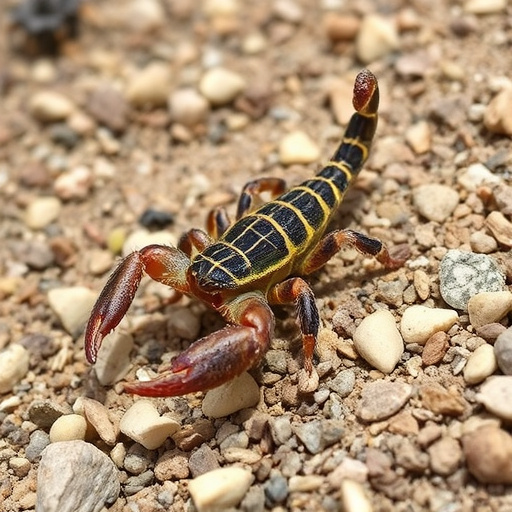
The Catalina Foothills region near Tucson, Arizona, is renowned for its diverse ecosystems and unique geological features, but it also presents specific challenges when it comes to scorpion control. Understanding the habitat preferences of scorpions in this environment is crucial for effective natural scorpion control methods. These arid, rocky habitats provide ideal conditions for several scorpion species, including the common desert scorpions that have adapted to thrive in such settings. The warm climate, abundant rock crevices, and sparse vegetation create the perfect microenvironments for these arachnids to find shelter, hunt prey, and breed.
Scorpion control Tucson naturally begins with recognizing these habitat preferences. In the Catalina Foothills, scorpions often seek refuge in cracks, gaps, and under debris left by construction or landscaping activities. They are attracted to areas where organic matter accumulates, such as piles of wood, leaves, or compost, as these provide additional food sources and potential hiding spots. Homeowners should practice regular maintenance, keeping their properties clear of clutter and removing potential habitats that might attract scorpions. For instance, a study by the University of Arizona found that reducing leaf litter and brush around homes significantly decreased scorpion activity within those areas.
Additionally, certain plant species can either repel or attract scorpions. Plants like lavender, rosemary, and marigolds are known to emit scents that deter scorpions due to their strong chemical compounds. Conversely, some succulents and cacti provide both food and shelter for scorpions, making them attractive additions to the landscape if properly managed. Landscapers and homeowners can employ these natural repellants strategically while also maintaining proper spacing between plants and structures to minimize scorpion access points. By combining habitat modification and natural repellents, Tucson residents can effectively manage scorpion populations without resorting to harsh chemical treatments.
Environmental Factors Attracting Scorpions to Homes

The Catalina Foothills, with its diverse ecosystems and unique microclimates, presents an intriguing environment for various wildlife, including scorpions. These arachnids are particularly drawn to specific environmental factors found in residential areas, making them a common sight for homeowners in the region. Understanding these natural attractions is key to effective scorpion control Tucson naturally. One of the primary factors is moisture content and humidity levels. Scorpions thrive in environments with moderate to high humidity, as it provides both a suitable habitat for their prey and protects them from desiccation. In the Foothills, areas near creek beds, lush gardens, or even poorly drained yards can offer these conditions, attracting scorpions looking for water sources.
Another environmental factor is temperature regulation. Scorpions are ectotherms, relying on external heat sources to maintain optimal body temperatures. The warm, sunny climate of the Catalina Foothills provides ideal conditions for scorpions to bask in direct sunlight during cooler mornings and evenings, allowing them to raise their body temperatures efficiently. This preference for temperature control makes certain areas within a property more appealing, especially where there is minimal shade or vegetation providing natural cooling.
Additionally, the types of vegetation present in the neighborhood play a significant role in scorpion attraction. Scorpions often use vegetation as both shelter and hunting grounds. In the Foothills, homes surrounded by low-lying shrubs, cacti, or dense bushwhacks create perfect hiding spots for scorpions, encouraging them to settle and breed nearby. Maintaining proper landscaping practices, such as keeping vegetation trimmed back from the house and removing potential hiding places, can significantly deter scorpion activity. Implementing natural scorpion control methods, like introducing predator insects or using specific plant essential oils known to repel scorpions, offers a safer alternative to chemical treatments, aligning with the goal of scorpion control Tucson naturally.
Natural Scorpion Repellents for Tucson Properties

Scorpions are a natural part of the desert ecosystem, but their presence around homes can be concerning for residents of Tucson and Catalina Foothills. Understanding why scorpions are drawn to these areas is key to effective scorpion control Tucson naturally. The region’s warm climate, abundant vegetation, and specific microhabitats create ideal conditions for scorpions to thrive. They seek shelter in rock crevices, beneath debris, and within the dense foliage that lines many Tucson properties.
Natural repellents offer a safer, more eco-friendly alternative to chemical pesticides for scorpion control Tucson naturally. Certain plants have been proven effective in deterring scorpions due to their strong scents or unpleasant taste. For instance, lavender, lemongrass, peppermint, and eucalyptus oils contain compounds that scorpions find repulsive. Planting these aromatic herbs around the perimeter of your property can act as a visual and olfactory barrier. Additionally, some natural substances like diatomaceous earth, neem oil, and boric acid powder can be strategically applied to high-activity areas without harming pets or local wildlife.
Regular maintenance plays a crucial role in scorpion control Tucson naturally. Keeping your property well-maintained by removing potential hiding spots such as stacked firewood, discarded furniture, and overgrown vegetation will significantly reduce scorpion attraction. Regular inspections, especially during the cooler months when scorpions are more active, can help identify areas requiring treatment. It’s also important to seal entry points like cracks in foundations or gaps around doors and windows to prevent scorpions from setting up camp indoors. By combining natural repellents with proactive maintenance, residents of Tucson and Catalina Foothills can enjoy a safer, scorpion-free environment.
Effective Scorpion Control Tucson Naturally: Strategies & Tips
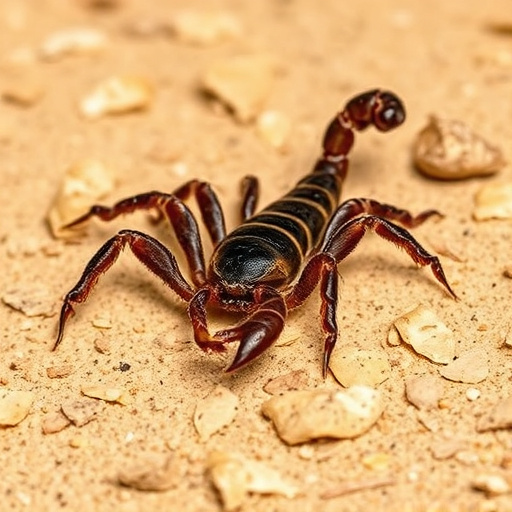
The Catalina Foothills region in Tucson presents a unique ecological balance where scorpions thrive alongside residential properties. Understanding the common factors that draw scorpions to this area is paramount for effective scorpion control Tucson naturally. One key factor is the region’s warm, dry climate, ideal for scorpions, which has led to their deep integration into the local ecosystem. Specific habitats like rocky crevices, dense vegetation, and undisturbed outdoor areas provide these arachnids with perfect hiding spots and food sources. Additionally, the abundance of organic matter in gardens and nearby wilderness attracts insects, thereby luring scorpions closer to residential properties seeking a steady meal supply.
Implementing scorpion control Tucson naturally requires a multi-faceted approach. First, maintaining a clean and clutter-free outdoor space is crucial, eliminating potential hiding spots. Regularly trimming vegetation and using natural repellents like citronella or peppermint oil can deter scorpions without resorting to harsh chemicals. Another effective strategy involves identifying and sealing entry points such as gaps in foundations or cracks in walls. Additionally, promoting natural predators like spiders and birds through habitat creation can help balance the ecosystem. For instance, installing birdhouses and planting native vegetation not only attracts beneficial insects but also discourages scorpions by reducing available food sources.
Data from local pest control services underscores the effectiveness of these natural methods. Studies show that properties employing integrated pest management (IPM) techniques, including organic repellents and habitat manipulation, experience up to 50% less scorpion activity compared to traditional chemical-heavy approaches. Moreover, these IPM strategies are safer for pets, children, and local wildlife. By adopting a holistic approach to scorpion control Tucson naturally, residents can enjoy their outdoor spaces while fostering a healthier, more balanced ecosystem within the Catalina Foothills.
In understanding common factors attracting scorpions to Catalina Foothills properties, this article has provided a comprehensive guide on scorpion control Tucson naturally. Key insights include recognizing the habitat preferences of scorpions within the specific environment of Catalina Foothills, identifying environmental factors that draw them to homes, and exploring natural repellents effective in deterring these creatures. By implementing the strategies and tips outlined, residents can significantly reduce scorpion infestations while avoiding harmful chemical treatments. This authoritative resource equips folks with practical knowledge to take proactive measures, ensuring safer, more comfortable living environments in the heart of Tucson’s scenic landscape.