
The Catalina Foothills near Tucson, Arizona, host a diverse scorpion population, including the common desert scorpion and bark scorpion. Effective scorpion control Tucson naturally involves preventing hiding spots, sealing entry points, adjusting outdoor lighting, and using non-toxic repellents. Understanding the ecological balance, where scorpions are both predators and prey, is crucial for responsible coexistence. Key methods include landscaping, structural integrity, and introducing natural predators while minimizing chemical interventions. Integrated Pest Management (IPM) offers promising results in scorpion population control.
Scorpions are integral to the complex ecosystem of Tucson’s Catalina Foothills desert environments, yet their presence can pose significant challenges for residents and visitors alike. Understanding these arachnid inhabitants is crucial for effective scorpion control Tucson naturally, promoting both human safety and ecological balance. This article delves into the specific habitats where scorpions thrive, exploring the environmental factors that contribute to their survival. By deciphering these nuances, we empower residents with knowledge to mitigate risks harmoniously, ensuring a safer yet co-existent relationship with these fascinating creatures in their native desert landscape.
- Understanding Scorpion Biodiversity in Tucson's Foothills
- Desert Ecology: The Unique Environment of Catalina Foothills
- Scorpions' Role in the Local Ecosystem
- Recognizing Natural Predator-Prey Dynamics in Scorpion Habitats
- Challenges and Risks: Human Interaction with Foehill Scorpions
- Effective Scorpion Control: Tucson Naturally Based Solutions
Understanding Scorpion Biodiversity in Tucson's Foothills
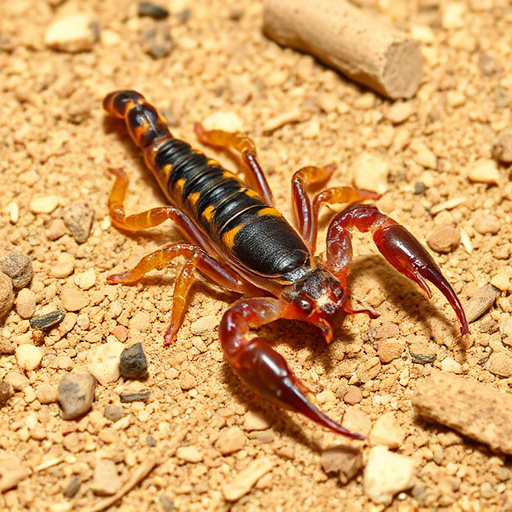
The Catalina Foothills, nestled atop Tucson, Arizona’s vibrant desert landscape, host a diverse array of scorpion species, contributing to a rich and unique ecosystem. Among these, several types are commonly encountered, each with distinct adaptations and survival strategies. Understanding this biodiversity is crucial for both ecological appreciation and effective scorpion control Tucson naturally.
Research suggests that the region’s dry, rocky habitats provide ideal conditions for scorpions, with over 17 species recorded in the Foothills. The most prevalent include the common desert scorpion (Cacactus versicolor) known for its distinctive coloration, and the aggressive bark scorpion (Centruroides immanis), recognized by its dark color and venomous sting. These scorpions have evolved to thrive in the harsh conditions of the desert, showcasing remarkable resilience. For instance, the bark scorpion’s ability to survive without water for extended periods highlights its adaptation to the arid environment.
Scorpion control in Tucson naturally involves a multifaceted approach. Homeowners should practice good pest prevention by eliminating potential hiding spots like piles of wood or debris and sealing entry points. Regular outdoor lighting adjustments can also deter scorpions, as they prefer darker areas. If a scorpion infestation arises, professional services specializing in humane scorpion removal are recommended. These experts employ non-lethal methods, ensuring the well-being of both humans and these fascinating arachnids, maintaining ecological balance while addressing nuisance issues.
Desert Ecology: The Unique Environment of Catalina Foothills

The Catalina Foothills, located in southern Arizona, present a unique desert ecology that plays a critical role in shaping the habitat and survival strategies of various species, including scorpions. This semi-arid region experiences extreme temperature fluctuations, with scorching summer days and chilly winter nights, coupled with varying rainfall patterns. Such a harsh environment necessitates innovative adaptations among its inhabitants, and scorpions are no exception. These arachnids have developed remarkable defenses and behaviors to thrive in this challenging landscape.
One of the most distinctive features of the Catalina Foothills is its diverse microhabitats. From dense scrublands to open desert flats and rocky outcrops, each area offers distinct resources and challenges. Scorpions in this region often inhabit burrows they construct beneath rocks or in soil crevices, providing shelter from intense sunlight and temperature extremes. Some species, like the Common Desert Scorpion (Scorpenus virga), are well-adapted to scavenging on a variety of prey found throughout the foothills, making them successful predators in this ecosystem.
Scorpion control in Tucson naturally aligns with understanding this intricate web of desert ecology. Removing scorpions through aggressive means might disrupt the balance of natural predators and prey, potentially leading to unforeseen consequences for the local ecosystem. Instead, residents and visitors should focus on non-toxic repellents and practices that coexist harmoniously with these arachnids. By appreciating the unique environment of the Catalina Foothills and its impact on scorpion survival strategies, we can foster a more nuanced understanding and responsible interaction with these often-misunderstood creatures.
Scorpions' Role in the Local Ecosystem
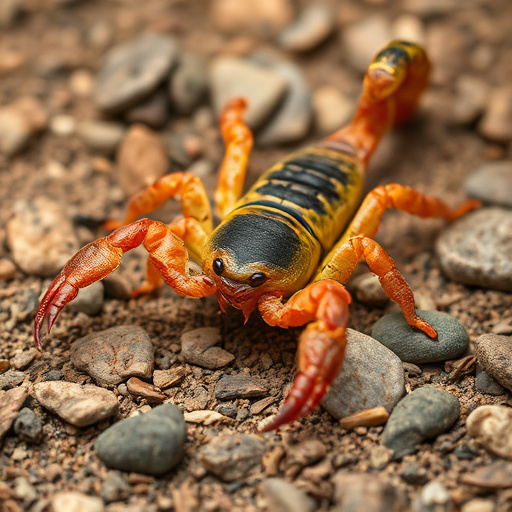
Scorpions are integral to the complex web of life within Catalina Foothills’ desert ecosystems. Their role as both predators and prey contributes significantly to maintaining ecological balance. As nocturnal hunters, scorpions feed on a variety of insects, arachnids, and even small vertebrates, helping regulate population sizes of their prey species. This natural control mechanism prevents any single organism from dominating an area, ensuring biodiversity. For instance, in Tucson, where scorpion control measures are naturally focused on coexistence rather than eradication, the presence of scorpions like the common desert scorpion (Ctenus clavatus) indicates a healthy and functioning ecosystem.
Moreover, scorpions serve as a crucial link in the food chain. Their carcasses provide sustenance for scavengers such as birds, reptiles, and other small mammals, further enriching the nutritional web of the desert. The decomposition of scorpions also contributes to soil nutrient cycling, supporting plant life and fostering habitat diversity. This cycle ensures that every component of the ecosystem plays a vital role in sustaining life in these harsh environments.
However, while scorpions are essential for ecological balance, their presence can be a source of concern for human residents. Effective scorpion control in Tucson should therefore aim to mitigate risks while preserving natural balance. This involves understanding the species’ behaviors and habitats, implementing practical measures like sealing entry points, maintaining proper lighting, and using safe, targeted treatments when necessary. By adopting such strategies, it’s possible to coexist harmoniously with these ancient desert inhabitants.
Recognizing Natural Predator-Prey Dynamics in Scorpion Habitats

In the desert ecosystems of Catalina Foothills, scorpions play a pivotal role within their intricate predator-prey dynamics. Understanding these interactions is crucial for both appreciating the delicate balance of nature and implementing effective scorpion control Tucson naturally. The scorpion’s primary predators include certain birds, such as owls, which have adapted to hunt at night; additionally, various snakes, like sidewinders, target scorpions for sustenance. These natural hunters help keep scorpion populations in check, preventing their overgrowth within the local environment.
Prey species also contribute significantly to this dynamic. Insects, particularly cockroaches and certain beetle species, serve as staple food sources for scorpions. The abundance of these insects reflects the overall health of the desert ecosystem; a thriving insect population ensures a steady food supply for scorpions, allowing them to flourish in their specific microhabitats. Moreover, vegetation patterns play a role—scorpions often hide among low-growing shrubs and grasses, using natural cover to ambush prey or avoid predators themselves.
For scorpion control Tucson naturally, it’s essential to recognize these predator-prey relationships. Removing or reducing the availability of prey species can lessen scorpion populations without resorting to harmful chemicals. Implementing strategies like maintaining proper landscaping, ensuring structural integrity, and utilizing non-toxic repellents are effective, sustainable methods. By understanding the natural balance within Catalina Foothills’ desert environments, residents and land managers can foster a harmonious coexistence between humans and these fascinating arachnids, showcasing the beauty of ecological interplay.
Challenges and Risks: Human Interaction with Foehill Scorpions
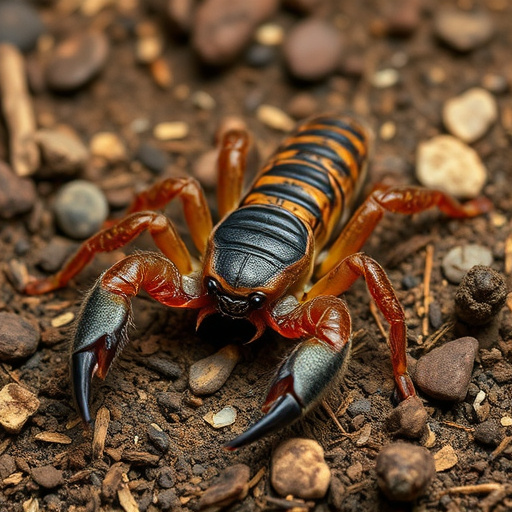
The Catalina Foothills, with their diverse desert landscapes, offer a unique home to various scorpion species, presenting both fascinating ecological dynamics and significant challenges for human residents. One of the most prominent inhabitants is the Foehill Scorpion (Scorpiops venenosus), known for its distinct appearance and adaptive behaviors. However, this coexistence comes with risks, particularly when it involves human interaction. Understanding these dangers and implementing effective scorpion control Tucson naturally strategies are essential to ensure the safety of both humans and these arachnid inhabitants.
Human encounters with Foehill Scorpions often arise due to habitat encroachment as urban development expands into desert areas. Scorpions prefer secluded, undisturbed environments—cracks in rocks, beneath debris, or inside hollows—but human activities like construction, landscaping, and outdoor recreation can disturb these habitats. This disruption leads to scorpions seeking new territories, potentially entering homes, gardens, or even directly encountering people. While most scorpion stings are not life-threatening to healthy adults, they can cause severe pain, swelling, and other symptoms requiring medical attention. Children, the elderly, and individuals with certain health conditions are at higher risk of more severe reactions.
Scorpion control in Tucson’s desert environments should focus on prevention and natural methods rather than toxic chemicals that may harm non-target species and the ecosystem. Implementing a few simple practices can significantly reduce the likelihood of scorpion infestations. For instance, keeping outdoor areas clean and free of debris, sealing entry points in homes, using proper landscaping techniques, and choosing scorpion-repellent plants naturally found in the region. Regular inspections and prompt removal of scorpions spotted inside structures are crucial. Moreover, educating residents about these desert dwellers’ behaviors can foster a sense of respect and understanding, encouraging responsible interactions that minimize risks for both humans and scorpions.
Effective Scorpion Control: Tucson Naturally Based Solutions

The Catalina Foothills’ desert ecosystem presents a unique challenge for scorpion control, given its delicate balance of native species and human encroachment. Scorpion populations thrive in these harsh conditions due to their adaptive behavior and specific habitat requirements. Understanding their natural history is crucial for effective Tucson naturally based scorpion control strategies. These arachnids have evolved to withstand extreme temperatures and scarce resources, often burrowing deep into the soil or seeking shelter under rocks during the hottest parts of the day.
Tucson’s naturally based approach to scorpion control emphasizes non-toxic methods that preserve the ecological integrity of the region. It involves a multi-faceted strategy focusing on habitat modification, deterrents, and biological controls. For instance, implementing proper landscaping techniques, such as reducing moisture at the soil surface and minimizing clutter, can significantly decrease scorpion attractions. Natural repellents like citrus oils or specific plant extracts can also be employed without harming beneficial insects or animals. Moreover, introducing natural predators like certain spider species or predator bugs specifically targeted at scorpions can help control their population in a sustainable manner.
Data from local studies reveals that integrated pest management (IPM) techniques have shown promising results in reducing scorpion numbers while minimizing the use of chemical pesticides. IPM involves regular monitoring, targeted treatments, and prevention strategies tailored to the specific desert scorpion species present. By combining these naturally based solutions, Tucson residents and land managers can effectively manage scorpion populations, ensuring a safer and more harmonious coexistence with these intriguing creatures without compromising the region’s unique biodiversity.
The Catalina Foothills’ desert environment serves as a unique and intricate habitat for various scorpion species, highlighting the complex interplay between these arachnids and their ecosystem. Understanding the biodiversity of scorpions in Tucson’s foothills is crucial to appreciating their role in maintaining ecological balance. By recognizing natural predator-prey dynamics, we gain insights into the delicate survival strategies these creatures employ. Human interaction with these scorpions presents both challenges and risks, underscoring the importance of implementing effective scorpion control measures that harmonize with nature. The article offers a comprehensive guide to Tucson’s naturally based scorpion control solutions, providing practical steps to mitigate human-scorpion conflicts while preserving the natural order. This knowledge is invaluable for residents and visitors alike, ensuring safe and respectful coexistence with these fascinating desert inhabitants.