
The Catalina Foothills near Tucson, Arizona, host a unique desert ecosystem ideal for studying scorpions. These arachnids are resilient due to water conservation and fat storage, enabling them to outcompete other arthropods. Scorpions maintain ecological balance by decomposing organic matter and serving as prey. Natural control mechanisms, such as predator-prey dynamics and parasitic wasps, regulate scorpion populations. Scorpion control Tucson naturally focuses on habitat manipulation, mechanical removal, and natural repellents to avoid harming non-target species. A multi-faceted approach combining these methods offers the best long-term solution for scorpion control Tucson naturally, allowing residents to enjoy their desert environments while promoting coexistence between humans and wildlife.
Scorpion populations in the Catalina Foothills desert environments pose a significant challenge for residents and visitors alike. Understanding the intricate relationship between these arachnids and their habitat is crucial for effective scorpion control Tucson naturally. This article delves into the unique ecologies of these arid regions, exploring the factors that contribute to scorpion survival and proliferation. By examining the role of climate, terrain, and local species interactions, we can develop informed strategies for managing scorpion populations while preserving the delicate balance of these desert ecosystems.
- Exploring Scorpion Ecosystems in Catalina Foothills' Desert
- Natural Scorpion Control Strategies for Tucson's Environment
Exploring Scorpion Ecosystems in Catalina Foothills' Desert

The Catalina Foothills, a rugged desert landscape surrounding Tucson, Arizona, presents a unique ecosystem where scorpions thrive. These arid environments offer a myriad of microhabitats, from rocky outcrops to creosote bushes, each providing shelter and resources for various scorpion species. In this region, understanding the intricate relationship between scorpions and their surroundings is crucial for both ecological preservation and effective scorpion control Tucson naturally.
Scorpions have adapted remarkably well to the desert’s harsh conditions. Their ability to survive prolonged droughts is attributed to a specialized physiology that conserves water efficiently. For instance, some species can go months without food, relying on stored fat reserves during periods of scarcity. This resilience allows them to persist in areas where other arthropods struggle, making the Catalina Foothills an ideal study ground for scorpion ecologists and control specialists. Natural control mechanisms, such as predator-prey dynamics and parasitic wasps, play a vital role in maintaining scorpions’ populations at manageable levels without human intervention.
Despite their intimidating reputation, scorpions are integral to the desert ecosystem’s balance. They contribute to nutrient cycling by feeding on decaying organic matter and serving as prey for larger predators. Moreover, scorpion control Tucson naturally efforts should consider the potential negative impacts of chemical treatments on non-target species and the environment. Instead, employing strategies like habitat manipulation, mechanical removal, and targeted use of natural repellents can be more effective and environmentally friendly. By studying these intricate ecosystems, researchers can develop sustainable practices for coexistence with scorpions, ensuring both human safety and ecological harmony in the Catalina Foothills’ desert environments.
Natural Scorpion Control Strategies for Tucson's Environment
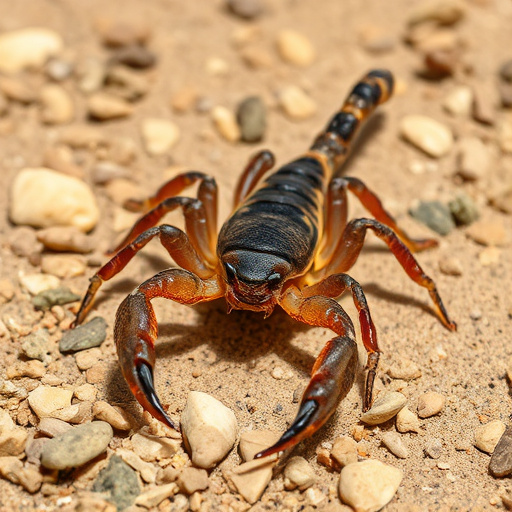
The Catalina Foothills’ desert ecosystem presents a unique challenge for scorpion populations, necessitating natural scorpion control strategies tailored to Tucson’s environment. Unlike traditional pest management methods, these approaches prioritize ecological balance and long-term sustainability. One effective tactic is habitat manipulation, which involves modifying the physical surroundings without harming native species. For instance, reducing excessive vegetation in open areas can limit scorpion hiding spots, making it harder for them to evade predators and increasing the effectiveness of natural predators like birds and spiders.
Natural scorpion control in Tucson also leverages the beneficial effects of certain plants. Some species emit odors that repel scorpions, while others contain toxic compounds that discourage them from dwelling nearby. Incorporating these plants into landscapes can create natural barriers without resorting to chemical treatments. Additionally, introducing or encouraging the presence of natural predators and parasitoids, such as certain wasp species that lay eggs on scorpions, can significantly reduce scorpion populations. This biological control method is both environmentally friendly and highly effective.
For residents and property managers in Tucson, a multi-faceted approach combining habitat management, plant selection, and biological controls offers the most promising long-term solution for scorpion control. Regular inspections and prompt removal of potential hiding spots, coupled with strategic planting of scorpion-repellent species, can significantly minimize scorpion infestations. By adopting these natural strategies, Tucson residents can enjoy their desert environments while promoting a harmonious coexistence between humans and wildlife.
Understanding the intricate relationship between scorpions and their desert habitats is key to effective scorpion control Tucson naturally. By exploring the unique ecosystems of Catalina Foothills’ deserts, we’ve gained insights into the natural balance these creatures maintain. Implementing sustainable strategies, such as habitat preservation and non-toxic deterrents, offers a holistic approach to managing scorpion populations. This article has provided essential knowledge for both residents and professionals, empowering them with practical tools to coexist harmoniously with these often-misunderstood arachnids while ensuring the health of Tucson’s delicate desert environment.