
Scorpion control Tucson naturally requires understanding local species like bark scorpions and desert scorpions, their habitats in arid, rocky terrain, and preventive measures such as cleaning outdoor areas, using proper lighting, and sealing entry points. If stung, relieve pain with over-the-counter drugs and ice; seek medical attention for severe reactions. Natural methods include leveraging native predators, essential oils (e.g., peppermint, citrus), physical barriers, habitat modification, and community education to reduce scorpion populations while preserving the ecosystem. Regular updates on treatments and prevention are vital. In case of severe symptoms, local emergency departments offer anti-venoms and specialized care.
Scorpion stings pose a significant health risk in the Catalina Foothills region of Tucson, Arizona. These venomous creatures are abundant in local environments, leading to increased encounters with humans. Effective scorpion control Tucson naturally is crucial for both residents and visitors to ensure safety and minimize exposure to harmful stings. This article provides an authoritative guide to various treatment options, offering practical advice on managing stings and preventing future incidents through integrated pest management strategies. By understanding the available resources, individuals can better navigate this challenging issue and promote a safer living environment.
- Understanding Scorpion Stings in Catalina Foothills
- Natural Scorpion Control Methods in Tucson
- Recognizing Severe Reactions: When to Seek Medical Help
- Local Resources for Safe Scorpion Sting Management
- Preventative Measures for Scorpion Safety in Your Home
Understanding Scorpion Stings in Catalina Foothills

Scorpion stings in the Catalina Foothills region of Tucson, Arizona, pose a unique challenge due to the area’s arid climate and diverse ecosystem, which foster an abundance of scorpion species. Among these, the most common culprits are the bark scorpions and desert scorpions, known for their venomous stings that can cause significant discomfort and, in rare cases, severe medical reactions. Understanding these stings requires familiarity with both the local scorpion varieties and the natural environment where they proliferate.
The Catalina Foothills’ dry, rocky terrain provides ideal hiding spots for scorpions, allowing them to thrive and come into contact with humans during activities like hiking, camping, or simply walking through yards. Scorpion control Tucson naturally involves recognizing these habitats and implementing preventive measures. For instance, keeping outdoor spaces clean and free of debris, using proper lighting (as scorpions are attracted to darkness), and sealing entry points in homes can significantly reduce interaction risks.
When a sting occurs, immediate action is crucial. Localized pain, swelling, and numbness are typical initial symptoms. Over-the-counter pain relievers and ice packs can provide relief. However, if severe reactions like difficulty breathing, nausea, or dizziness manifest, seeking medical attention promptly becomes essential. In such cases, knowing the local emergency procedures and having a basic first aid kit equipped with antihistamines and hydrocortisone creams can be life-saving. Regularly updating knowledge on scorpion stings, their treatments, and prevention methods is vital for residents and visitors alike to ensure safety in the Catalina Foothills.
Natural Scorpion Control Methods in Tucson

In the Catalina Foothills region of Tucson, Arizona, where scorpion populations can flourish due to the area’s arid yet hospitable climate, implementing natural scorpion control methods has become an increasingly popular and effective approach for residents seeking safety and pest management. Unlike traditional chemical treatments, which may pose health risks and environmental concerns, natural scorpion control offers a safer, more eco-friendly alternative that aligns with the region’s unique ecosystem. One of the primary strategies involves leveraging the native predators of scorpions, such as certain species of spiders and centipedes, which naturally prey on scorpions. Introducing these beneficial insects into residential areas can help establish a balance in the local predator-prey dynamics, effectively reducing scorpion populations over time.
Another powerful natural method is the strategic use of essential oils and plant-based repellents. Scorpions are known to avoid certain scents, and by strategically placing essential oils like peppermint, citrus, or lemongrass around entry points and common scorpion habitats, residents can deter these pests from entering their homes. This approach not only minimizes the need for chemical interventions but also contributes to a healthier indoor environment, as many of these natural repellents have antimicrobial and anti-inflammatory properties. For instance, a study conducted by the University of Arizona found that a combination of peppermint oil and neem oil was highly effective in repelling both desert spiders and scorpions when applied correctly around homes.
In addition to biological control methods, Tucson residents can employ physical barriers and habitat modification techniques for scorpion control naturally. Sealing cracks, gaps, and crevices around windows, doors, and foundations using caulk or weatherstripping is crucial to preventing scorpions from entering homes. Regularly trimming vegetation and clearing debris from areas surrounding the home can also reduce hiding spots and food sources for scorpions, making them less inclined to frequent residential areas. By combining these natural methods with community education and awareness, Tucson can foster a more scorpion-resistant environment while preserving the ecological balance that makes this region unique.
Recognizing Severe Reactions: When to Seek Medical Help
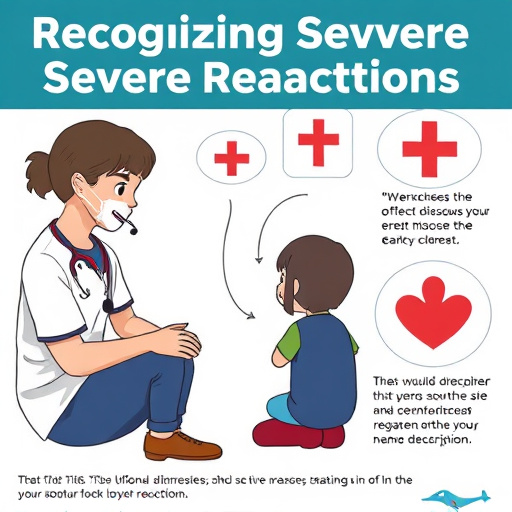
In the Catalina Foothills region of Tucson, where scorpion control is a year-round concern, recognizing severe reactions to stings is paramount for ensuring safety. While many scorpion stings may only cause mild symptoms like pain, swelling, and itching, some individuals can experience more serious, life-threatening responses. Itchiness and local pain are typically manageable at home with over-the-counter antihistamines and hydrocortisone creams. However, if a sting causes difficulty breathing, severe abdominal pain, nausea, or dizziness, immediate medical attention is crucial.
Seeking prompt medical help is especially important for individuals with known allergies to scorpion stings or those exhibiting unusual symptoms. In Tucson, where natural scorpion control methods like removing water sources and sealing entry points are effective, understanding when to go beyond these measures is vital. Local emergency departments are equipped to handle severe cases, administering anti-venoms that neutralize the toxins and provide relief. Data from local hospitals indicates a small but significant number of annual visits due to scorpion stings, highlighting the need for recognition and quick response.
To ensure safety, residents should familiarize themselves with common scorpion species in the area, such as the bark scorpion, known for its potent venom. Education on sting identification and severity is key, especially for outdoor workers and individuals living in high-risk areas. Additionally, maintaining a well-landscaped yard, free of clutter and potential hiding spots, can reduce scorpion encounters, providing further protection alongside natural scorpion control methods like proper lighting and pest management practices.
Local Resources for Safe Scorpion Sting Management

In the Catalina Foothills region of Tucson, Arizona, scorpion stings can pose a significant health risk for residents and visitors alike. Fortunately, local resources offer comprehensive solutions for safe scorpion sting management. The first line of defense is education. Understanding which species are common in the area and their behaviors allows for better prevention strategies. For instance, the bark scorpion, known to cause severe pain and potentially life-threatening reactions, prefers dark, secluded places like rock piles and woodpiles. Awareness campaigns by local health departments emphasize keeping these areas clear and using natural scorpion control Tucson methods, such as sealing entry points and maintaining outdoor cleanliness.
When a sting occurs, immediate action is crucial. Local pharmacies stock antivenoms specifically designed to neutralize the venom of common Arizona scorpions. These antidotes are particularly effective for severe reactions and should be administered under medical supervision. Additionally, many community health centers in Tucson offer specialized care for scorpion stings, providing treatment options ranging from topical creams and oral medications to IV fluids and monitoring for potential systemic reactions. Regular training sessions for healthcare professionals ensure they remain adept at recognizing and managing scorpion sting cases.
Beyond medical interventions, Tucson has embraced natural scorpion control methods as part of its comprehensive pest management strategy. Local landscaping companies offer eco-friendly solutions like removing potential hiding spots, using repellents derived from plants known to deter scorpions, and implementing integrated pest management practices that target the insects’ food sources without harmful chemicals. These strategies not only minimize environmental impact but also promote a safer, more sustainable living environment in the Catalina Foothills.
Preventative Measures for Scorpion Safety in Your Home

In the Catalina Foothills region of Tucson, scorpion stings pose a significant concern for both residents and visitors. While medical treatments exist to manage symptoms, preventing scorpion encounters is paramount for maintaining safety. Understanding how scorpions enter homes and taking proactive measures can significantly reduce risk. One effective approach centers on natural scorpion control Tucson methods that minimize the use of chemicals.
Implementing preventative measures starts with identifying potential entry points. Scorpions are known to navigate through small crevices and cracks, so sealing these openings around doors, windows, and foundations is crucial. Regularly inspect and maintain screens, replacing any damaged or missing ones. Additionally, trimming vegetation away from structures reduces hiding spots for scorpions, making it harder for them to gain access. Inside the home, keeping areas clean and free of clutter, especially in dark corners and beneath items stored on the floor, can deter scorpions seeking shelter.
Natural repellents also play a significant role in scorpion control Tucson efforts. Certain plants like lemongrass, lavender, and catnip are known to emit scents that repel scorpions. Planting these around the perimeter of your property can create a natural barrier without resorting to chemical treatments. Furthermore, maintaining a clean outdoor environment by promptly disposing of organic waste and avoiding water accumulation can significantly reduce scorpion populations, as they require moisture and food sources for survival. Regular inspections and proactive measures offer the best defense against scorpion invasions in homes across Catalina Foothills.
Understanding scorpion stings in Catalina Foothills is key to ensuring safety. The article highlights effective natural scorpion control methods in Tucson, emphasizing the importance of recognizing severe reactions and knowing when to seek medical help. Local resources for safe sting management are available, along with preventative measures for home safety. By adopting these strategies, residents can effectively manage scorpion encounters, prioritizing their well-being through proactive scorpion control Tucson naturally. This comprehensive guide equips readers with the knowledge and tools needed to navigate and mitigate potential risks associated with scorpions in this region.