
Scorpion control Tucson naturally focuses on understanding local species' behavior for effective management in residential areas like Catalina Foothills. Key strategies include reducing artificial lighting, maintaining landscapes, using sticky traps, sealing entry points, and employing natural deterrents and predators. Integrated Pest Management (IPM) approaches prioritize safety, sustainability, and minimal environmental impact, combining mechanical and biological control methods for successful long-term scorpion control. Homeowners should monitor during warmer months and adopt natural scorpion control Tucson techniques to reduce their ecological footprint.
Scorpion control is a pressing issue for property owners in the Catalina Foothills region of Tucson, where these arachnids are prevalent. Their presence not only causes concern for safety but also disrupts local ecosystems. Effective scorpion management demands a balanced approach, especially with the growing demand for natural, eco-friendly solutions. This article delves into proven methods to combat scorpions in this specific environment, focusing on Tucson’s unique context. By exploring both traditional and natural techniques, we aim to provide homeowners with a comprehensive guide to scorpion control, offering effective yet humane strategies tailored to the Catalina Foothills ecosystem.
- Understanding Scorpion Behavior in Catalina Foothills for Effective Control
- Natural Scorpion Control Tucson Methods for Safe and Sustainable Management
Understanding Scorpion Behavior in Catalina Foothills for Effective Control
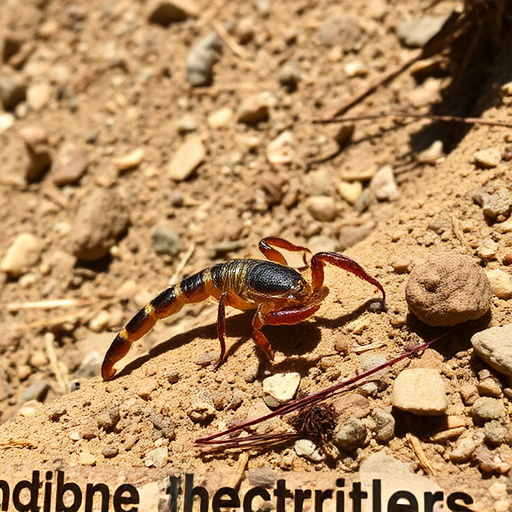
Scorpions are an integral part of the desert ecosystem, but their presence in residential areas like Catalina Foothills can cause concern for homeowners. Understanding scorpion behavior is a critical step in effective control strategies. In Tucson, where natural methods of scorpion control are sought after, knowledge of local species and their habits empowers residents to make informed decisions.
The most common scorpion species in the Catalina Foothills include the desert scrub scorpion and the bark scorpion. These arachnids prefer dry, secluded habitats, often burrowing under rocks or in crevices for shelter. They are primarily nocturnal, becoming active after sunset to hunt for food, making outdoor lighting an essential consideration for scorpion control Tucson naturally advocates. By reducing artificial light near entry points, residents can deter scorpions from navigating towards homes. Additionally, keeping landscapes well-maintained with regular weeding and removing potential hiding spots like overgrown vegetation can significantly reduce scorpion populations.
Monitoring is another key component of effective scorpion control. Setting out sticky traps in strategic locations around the property provides valuable data on scorpion activity. This method allows residents to identify high-traffic areas and adjust their control efforts accordingly. For instance, if a trap consistently captures scorpions near a particular door or window, sealing these entry points with caulk or weatherstripping can be highly effective. It’s important to note that while natural methods are preferred, in severe cases, professional pest control services specializing in scorpion control Tucson offers can provide safe and targeted treatments when necessary.
Natural Scorpion Control Tucson Methods for Safe and Sustainable Management

Controlling scorpions in Catalina Foothills properties requires a nuanced approach that prioritizes safety, sustainability, and effectiveness. In Tucson, where scorpion control naturally takes center stage due to the region’s arid climate, homeowners and property managers must adopt integrated pest management (IPM) strategies. These methods involve monitoring, prevention, and targeted treatments while minimizing environmental impact. For instance, sealing entry points like cracks and gaps around windows and doors can deter scorpions from entering homes. Regularly trimming vegetation away from structures creates less favorable hiding spots, reducing scorpion habitat.
One effective natural scorpion control Tucson method is the strategic use of essential oils and plant-based repellents. Scorpions are averse to strong scents, and certain aromatic compounds like peppermint, eucalyptus, and lemongrass can act as deterrents. Spreading these oils around potential entry points or using them in homemade sprays offers a non-toxic solution for scorpion management. Additionally, introducing natural predators such as centipedes, spiders, and certain species of birds can help regulate scorpion populations. These biological controls are environmentally friendly and can be highly effective when integrated with other IPM techniques.
For instance, a study conducted by the University of Arizona found that combining mechanical (sealing) and biological control methods significantly reduced indoor scorpion populations over time. This data underscores the importance of a holistic approach to scorpion management. Homeowners should also be vigilant in monitoring for scorpions, particularly during warmer months when activity peaks. Early detection allows for quicker response times and more effective treatment. By embracing natural scorpion control Tucson techniques and adhering to IPM principles, residents can achieve lasting control while minimizing the ecological footprint of their pest management efforts.
Understanding scorpion behavior in Catalina Foothills is key to effective scorpion control Tucson naturally. By employing safe and sustainable methods, residents can significantly reduce scorpion populations while minimizing environmental impact. Natural scorpion control Tucson techniques, such as sealing entry points, maintaining yard cleanliness, and using targeted, non-toxic repellents, have proven highly effective. Regular inspections and prompt maintenance are crucial for preventing scorpion infestations. This holistic approach not only protects homes but also fosters a harmonious relationship between humans and nature in the Catalina Foothills ecosystem.