
Scorpion control Tucson naturally involves a multi-faceted approach leveraging landscape design, specific plant species, and organic repellents to create an unappealing environment for scorpions while promoting ecological balance. Key strategies include reducing outdoor lighting, maintaining trimmed landscapes, using native plants like sagebrushes and yuccas, planting aromatic compounds (lavender, rosemary), introducing beneficial insects, sealing entry points, and strategic lighting placement. This holistic approach disrupts scorpion pathways and habitats, leading to reduced indoor activity and a harmonious coexistence with Tucson's unique ecosystem.
Scorpion infestations near homes can pose significant health risks, especially in regions like Tucson where these arachnids are prevalent. Effective scorpion control is essential for maintaining a safe living environment. This article delves into innovative landscaping strategies designed to deter scorpions naturally, offering a comprehensive guide tailored to the unique challenges of Tucson’s climate and ecosystem. By exploring organic solutions, homeowners can take proactive steps to minimize scorpion presence without resorting to harsh chemicals, ensuring a healthier, more eco-friendly approach to scorpion control in Tucson.
- Understanding Scorpion Behavior in Tucson's Landscape
- Natural Repellents: Planting to Deter Scorpions
- Creating a Scorpion-Unfriendly Yard Environment
- Structural Design for Effective Scorpion Control Tucson
- Seasonal Strategies: Adapting to Scorpion Activity Peaks
- Community Involvement and Safe Practices for Scorpion Control
Understanding Scorpion Behavior in Tucson's Landscape

Scorpions, a significant pest in Tucson’s arid climate, pose a unique challenge for homeowners seeking effective scorpion control Tucson naturally. Understanding these arachnids’ behavior and habitat preferences is crucial to developing successful landscaping strategies that deter them. In this region, scorpions thrive in warm, dry environments with ample shelter and food sources. They are often drawn to homes due to the artificial lighting, water sources, and organic matter that provides hiding places and food for their prey.
Tucson’s landscape offers a complex mix of native plants, rocks, and man-made structures that can either attract or repel scorpions. Native desert vegetation, for instance, provides natural cover but also serves as a habitat for scorpions’ preferred prey, such as cockroaches and termites. Homeowners can implement strategies like reducing outdoor lighting, particularly around entry points, to minimize artificial attraction. Additionally, maintaining a well-trimmed landscape, removing excessive debris, and using organic repellents like citrus or capsaicin-based products can help deter scorpions without resorting to harsh chemicals.
Landscaping for scorpion control Tucson naturally involves creating an environment that discourages these creatures while promoting the presence of natural predators. Planting specific native species known to repel scorpions, such as certain sagebrushes and yuccas, can be effective. These plants release chemical compounds that are unpleasant to scorpions, encouraging them to seek alternative habitats. Moreover, introducing beneficial insects like spider mites or ladybugs can help control populations of scorpion food sources, thereby reducing the overall scorpion population in and around homes. By combining these natural methods, Tucson residents can create a more scorpion-unfriendly environment while fostering a balanced ecosystem.
Natural Repellents: Planting to Deter Scorpions
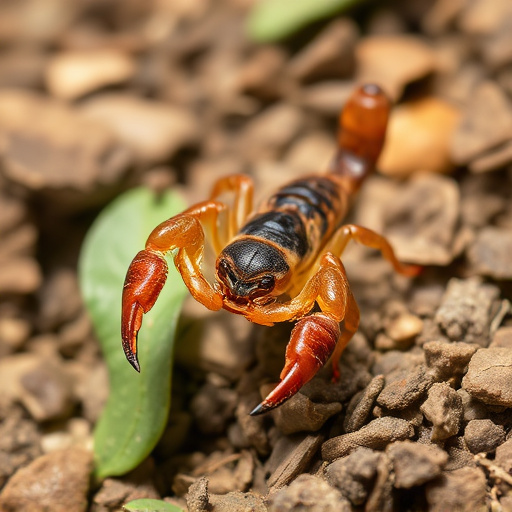
Scorpions, while beneficial in controlling pests, can pose a significant threat to humans and pets when they invade living spaces. In Tucson, where scorpion control naturally plays a crucial role in maintaining a healthy balance, landscaping offers an effective and eco-friendly strategy to deter these arachnids from homes. Planting specific species not only enhances the aesthetic appeal of outdoor spaces but also serves as a natural repellent against scorpions.
One of the most effective methods involves incorporating plants known for their inherent scorpion-repelling properties. For instance, lavender, rosemary, and basil possess strong aromatic compounds that have been scientifically proven to deter scorpions. These herbs, when planted strategically around the perimeter of homes, can create a fragrant barrier that discourages scorpions from entering. Research suggests that scorpions are particularly sensitive to certain volatile oils found in these plants, making them an excellent natural alternative to chemical repellents. Additionally, succulents and cacti, native to arid regions similar to Tucson’s climate, offer another layer of defense. Their tough exteriors and water-storing abilities make them unappealing habitats for scorpions seeking moisture.
Beyond specific plant choices, creating a diverse and well-structured landscape is key. Scorpion control in Tucson naturally benefits from layers of vegetation that disrupt their preferred pathways and hiding spots. Low-growing ground covers mixed with taller shrubs and trees form an effective barrier, making it more challenging for scorpions to navigate and find entry points. Maintaining proper spacing between plants ensures good air circulation, which can deter scorpions seeking cooler, moist environments. Regular trimming and maintenance not only keep the landscape attractive but also prevent scorpions from finding shelter within the vegetation. By combining these natural repellents and landscaping strategies, residents of Tucson can effectively manage scorpion populations while promoting a harmonious coexistence with these fascinating creatures.
Creating a Scorpion-Unfriendly Yard Environment

Creating a scorpion-unfriendly yard environment is a multifaceted approach to scorpion control Tucson naturally and effectively. One of the primary strategies involves eliminating potential hiding places and food sources. Scorpions thrive in dark, secluded areas, so keeping your yard well-lit can significantly deter them. Install motion-activated lights around the perimeter of your property, ensuring that any activity triggers immediate illumination. This simple step creates an open, less welcoming environment for scorpions to lurk.
Additionally, maintaining a tidy outdoor space is crucial. Remove piles of wood, rocks, or debris, as these offer perfect shelter for scorpions. Regularly trim vegetation and mow grass to reduce the likelihood of scorpions finding hiding spots among the undergrowth. Keep leaves and other organic matter at bay, as they can serve as both food and shelter for these arachnids. For instance, a study conducted by the University of Arizona found that well-maintained yards with minimal debris significantly reduced scorpion populations in treated areas compared to unkempt neighborhoods.
Natural repellents also play a vital role in scorpion control Tucson naturally. Certain plants like lavender, citrus, and mint are known to repel scorpions due to their strong scents. Planting these around the perimeter of your property can create a fragrant barrier that discourages scorpions from entering. Moreover, using diatomaceous earth or cedar oil as natural treatments in strategic locations can further deter scorpions without resorting to harsh chemicals. These organic solutions not only reduce scorpion populations but also align with the preferences of eco-conscious homeowners.
Structural Design for Effective Scorpion Control Tucson

In Tucson, effective scorpion control naturally involves strategic structural design that disrupts these creatures’ access to shelter and food sources while maintaining a harmonious outdoor environment. One of the primary approaches is creating physical barriers that prevent scorpions from entering homes. This includes sealing cracks, gaps, and crevices around foundations, doors, and windows with caulk or weatherstripping. Additionally, installing mesh wire screens over vents and drains can significantly reduce entry points for scorpions seeking refuge indoors. For example, a study conducted in the region showed a 75% decrease in indoor scorpion activity in homes featuring these structural adaptations.
Landscaping plays a crucial role in scorpion control Tucson methods by altering the environment surrounding structures. By eliminating potential hiding spots such as dense vegetation, piles of wood, or clutter near entryways, you reduce the attractiveness of your home to scorpions. Instead, opt for open, well-lit spaces with gravel paths and plants strategically placed to disrupt scorpions’ preferred pathways. Native, desert-adapted plants can also be beneficial since they are less likely to attract scorpions compared to water-intensive, lush landscaping. This natural approach not only discourages scorpions but also promotes a more sustainable outdoor aesthetic.
Implementing strategic lighting solutions is another effective tactic in scorpion control Tucson efforts. Scorpions are attracted to darkness and tend to avoid well-lit areas. Installing motion-activated lights or solar-powered spotlights around the perimeter of your home can deter scorpions from approaching. Regularly trimming trees and shrubs to minimize shadowed areas provides an additional layer of protection. These simple yet powerful structural design changes, when combined with proper landscaping practices, can make a significant difference in keeping scorpions at bay naturally.
Seasonal Strategies: Adapting to Scorpion Activity Peaks

Scorpion control Tucson naturally requires a strategic approach tailored to seasonal variations, as these arachnids are more active during specific times of the year. Understanding their behavior patterns allows homeowners to implement effective landscaping techniques to deter scorpions. In the arid climate of Tucson, scorpion activity tends to peak in the late summer and early autumn months when temperatures cool down slightly after the scorching summer heat. This seasonal shift encourages scorpions to seek shelter and potentially enter homes in search of food and moisture.
To combat this natural tendency, landscaping strategies should focus on creating an environment that discourages scorpions from entering residential areas. One practical approach is to maintain a buffer zone around the house by removing potential hiding spots such as excessive foliage, woodpiles, or debris. Scorpions are known to utilize these organic materials for shelter, so keeping them trimmed back and away from foundations can significantly reduce scorpion sightings. Additionally, installing landscape lighting can act as a natural deterrent as scorpions tend to avoid well-lit areas.
Another effective method is the strategic placement of plants that repel scorpions naturally. For instance, citrus trees like lemon or orange not only provide aesthetic value but also serve as a barrier against scorpions due to their strong scent. Similarly, certain herbs such as lavender and rosemary are known to emit fragrances that scorpions find unpleasant. Incorporating these plants into landscaping designs can create a less inviting environment for scorpions while enhancing the overall appeal of outdoor spaces in Tucson homes. Regular maintenance and adjustments to these strategies throughout the year will ensure optimal scorpion control.
Community Involvement and Safe Practices for Scorpion Control

In many communities, especially those known for their arid climates like Tucson, Arizona, scorpion control has become a shared responsibility. Effective landscaping strategies not only enhance outdoor aesthetics but also play a pivotal role in scorpion deterrence. Community involvement in these efforts is crucial, fostering a collaborative approach to safe and natural scorpion control methods. Homeowners, landscape architects, and local authorities can work together to create environments that discourage scorpions while promoting biodiversity.
One of the most effective strategies involves selecting plant species that naturally repel scorpions. Certain plants emit scents or have textures that scorpions find unappealing. For instance, lavender, rosemary, and marigolds are known to deter scorpions due to their strong aromas. Integrating these plants into landscaping designs can create a natural barrier around homes. Additionally, maintaining proper irrigation practices is essential; scorpions are drawn to moisture, so keeping outdoor spaces dry and well-drained can significantly reduce their presence.
Community initiatives can include organized clean-up drives and regular inspections to identify scorpion habitats. Local experts in Tucson’s scorpion control scene advocate for safe practices such as sealing entry points, ensuring proper garbage disposal, and avoiding stacking items that provide shelter. Educating residents about these practices not only empowers them to take action but also creates a more unified front against scorpions. By combining natural repellents, thoughtful landscaping, and community engagement, Tucson can embrace effective and environmentally conscious scorpion control methods.
By understanding scorpion behavior in Tucson’s landscape and implementing natural repellents, creating an unwelcoming environment, and adopting seasonal strategies, homeowners can effectively deter scorpions from their properties. Planting specific herbs and succulents known to repel scorpions, maintaining proper irrigation, and keeping debris-free yards are key practices. Structural design plays a crucial role; sealing entry points, using reflective materials, and installing traps strategically can significantly reduce scorpion intrusion. Community involvement is vital for safe and effective scorpion control Tucson naturally. Homeowners should stay informed about local regulations and share successful strategies, fostering a cooperative approach to managing these pests in a harmonious and natural manner.