
Scorpion control Tucson naturally involves understanding scorpion behavior and modifying outdoor spaces to reduce habitat availability. Key strategies include landscaping with deterrents like lavender and marigolds, maintaining a clean yard, and implementing proper drainage. Professional services use natural repellents and advanced techniques for persistent issues. An integrated approach combining expert knowledge and strategic landscaping offers sustainable management and long-term prevention.
Scorpion infestations pose a significant challenge for many Tucson residents, as these arachnids can quickly transform from an occasional sight to a persistent problem. While traditional pest control methods exist, many homeowners seek natural alternatives that align with their eco-conscious values. This article delves into the heart of the matter, offering an in-depth exploration of landscaping strategies specifically tailored for scorpion control in Tucson naturally. By harnessing the power of native plants and strategic design, we’ll guide you through effective solutions to create a scorpion-resistant environment while preserving the region’s unique ecological tapestry.
- Understanding Scorpion Behavior: Key to Tucson Scorpion Control
- Creating an Unwelcoming Environment: Natural Repellents for Scorpions
- Landscape Design: Reducing Habitat for Scorpions in Tucson
- Plant Choices: Selecting Scorpion-Resistant Plants in Arizona
- Eliminating Water Sources: Drying Out Scorpion Haven Spots
- Professional vs. Natural Methods: Comparing Scorpion Control Options
Understanding Scorpion Behavior: Key to Tucson Scorpion Control
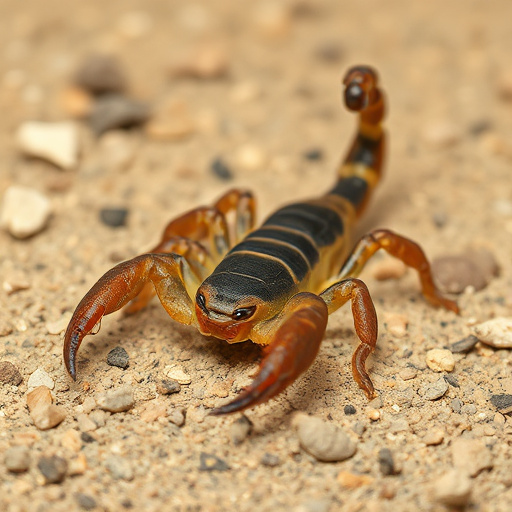
Scorpion control Tucson naturally begins with understanding these arachnids’ behavior patterns, which are closely tied to their habitat and survival needs. Unlike many urban legends, scorpions aren’t inherently aggressive unless provoked or threatened; they primarily seek shelter and food sources. In Tucson’s arid climate, scorpions tend to be most active during the cooler evenings and mornings, avoiding prolonged exposure to intense sunlight. They are attracted to areas with dark, secluded spots, moisture, and organic matter like leaves and wood piles—common features in landscapes around homes.
Effective scorpion control necessitates modifying outdoor spaces to minimize these attractants while providing safe, natural deterrents. For instance, reducing or eliminating water stagnation, promptly addressing leaks, and trimming vegetation can significantly decrease scorpion populations as they rely on moisture sources for survival. Replacing traditional landscaping with rock gardens, gravel paths, and drought-resistant plants further discourages scorpions. These structural changes, coupled with the strategic placement of natural repellents like diatomaceous earth or specific plant essential oils, have proven effective in Tucson’s unique ecosystem.
Moreover, maintaining a clean and clutter-free outdoor environment is crucial. Storing firewood, landscaping timbers, or other potential hiding spots off the ground and away from homes can severely disrupt scorpion habitats. Regular, thorough sweeping and vacuuming also help remove scorpions and their prey, breaking the food chain that sustains them. By employing these integrated pest management (IPM) strategies, Tucson residents can achieve effective scorpion control naturally, enhancing outdoor living while preserving the region’s distinctive desert beauty.
Creating an Unwelcoming Environment: Natural Repellents for Scorpions

Scorpions, while fascinating creatures, can pose a significant nuisance when they invade personal spaces, especially homes. In regions like Tucson, where scorpion control naturally arises as a concern, landscaping plays a pivotal role in deterring these arachnids. One effective strategy is to create an environment that discourages scorpions from setting foot in your yard and, by extension, your home. This approach leverages natural repellents and specific plant choices to establish a scorpion-unfriendly landscape.
Plants known for their strong scents or unpleasant textures can serve as powerful deterrents. For instance, citrus trees like lemon and orange emit fragrances that many scorpions find repulsive. Similarly, plants with dense, prickly foliage, such as lavender, rosemary, and yucca, can make areas less inviting for scorpions to traverse. Incorporating these natural repellents strategically around the perimeter of your property can create a protective barrier against scorpion intrusion.
In addition to specific plant selections, maintaining a clean and clutter-free landscape is crucial. Scorpions often seek shelter in piles of leaves, wood, or other debris. Regularly clearing such accumulations reduces potential hiding spots and makes your yard less appealing to scorpions. Moreover, sealing cracks and crevices in walls, foundations, and doors helps prevent scorpions from finding entry points into your home. By combining these natural repellents with meticulous landscaping practices, Tucson residents can effectively manage scorpion control while minimizing the use of chemical treatments.
Landscape Design: Reducing Habitat for Scorpions in Tucson
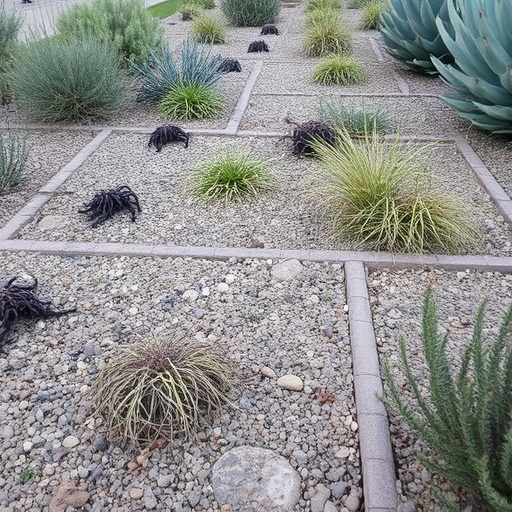
In Tucson, where scorpions are a common pest, effective scorpion control begins with thoughtful landscape design. Reducing habitat availability is key to deterring these arachnids from homes. By understanding their behavior and preferences, residents can create an environment that makes their properties less appealing to scorpions. For instance, keeping outdoor lighting focused on entry points rather than leaving it scattered can help, as scorpions are attracted to bright lights, especially at night. Additionally, maintaining a clean yard with no debris or potential hiding spots is crucial; regular raking and trimming of vegetation ensures there are fewer places for scorpions to nest.
Landscaping strategically around the perimeter of homes is essential. Creating a buffer zone by planting deterrents like lavender, lemongrass, and marigolds can be effective, as these plants emit scents that are unpleasant to scorpions. Ground cover plants with harsh textures, such as prickly pear or opuntia, also make it physically challenging for scorpions to enter homes easily. These natural methods of scorpion control Tucson residents can employ seamlessly integrate into the local landscape while providing lasting solutions.
Beyond plant choices, proper drainage and moisture management are critical. Scorpions thrive in moist environments, so addressing water build-up and ensuring proper drainage can significantly reduce their presence. Fixing leaks and maintaining a well-drained yard are practical steps that not only aid scorpion control Tucson but also prevent other pest issues. Regularly inspecting and sealing cracks and gaps in foundations and walls is another proactive measure to prevent scorpions from setting up camp indoors. These integrated landscape design strategies, when implemented correctly, can create an environment that encourages scorpions to seek habitats elsewhere, offering a more natural and sustainable approach to scorpion control.
Plant Choices: Selecting Scorpion-Resistant Plants in Arizona

In Arizona, where scorpions are a common pest, landscaping can play a significant role in scorpion control Tucson naturally. Selecting the right plants can create a hostile environment for these arachnids while enhancing your outdoor space aesthetically. Certain plant species have been found to repel scorpions due to their strong scents or toxic properties. For instance, lavender, rosemary, and sage are known to emit odors that discourage scorpions from entering treated areas. These herbs not only act as natural scorpion deterrents but also offer fragrant, visually appealing additions to your garden.
Data from local pest control studies in Arizona shows that plants like marigolds, daisies, and certain varieties of cacti have been effective in repelling scorpions. Marigolds, in particular, contain pyrethrum, a natural insecticide that is toxic to scorpions. When incorporated into landscaping, these plants can significantly reduce scorpion activity around homes. Moreover, maintaining a well-trimmed lawn and removing brush or debris piles creates less favorable hiding spots for scorpions, complementing the use of scorpion-resistant flora.
Practical advice for homeowners involves creating layers of defense through plant selection. Strategically placing repellent plants near entry points like doors and windows can act as an initial barrier against scorpions. It’s also beneficial to avoid piling wood or storing garden waste, as these attractants provide shelter for scorpions. By combining scorpion-resistant plants with proper maintenance practices, Tucson residents can effectively deter these pests naturally, enhancing both home safety and outdoor enjoyment.
Eliminating Water Sources: Drying Out Scorpion Haven Spots

Scorpions, a common pest in arid climates like Tucson, are attracted to water sources and damp environments. Effective scorpion control Tucson naturally involves addressing these attractions by eliminating water buildup and drying out potential habitats. This strategy not only reduces scorpion populations but also encourages their natural movement away from residential areas. One of the primary steps is to conduct regular inspections, focusing on dark, humid corners, cracks, and crevices where scorpions tend to shelter. Repairing any leaks in plumbing or irrigation systems immediately prevents water accumulation, making these areas less appealing.
Additionally, homeowners should ensure proper drainage around their properties. Gutter cleaning and directing downspouts away from foundations can prevent pools of standing water nearby. Landscaping choices play a significant role as well; planting succulents and drought-resistant shrubs helps discourage scorpions by offering less favorable habitats. Removing dense vegetation and creating open spaces reduces hiding spots, making it harder for scorpions to establish territories close to homes. Regularly trimming bushes and mowing lawns keeps the landscape less inviting for these pests.
For more persistent issues, professional scorpion control services in Tucson can provide safe and effective solutions. Using natural repellents like diatomaceous earth or essential oils is another option, as they disrupt scorpions’ tracks without harming them, encouraging their departure over time. By combining these strategies, homeowners can significantly deter scorpions from their properties, promoting a safer environment.
Professional vs. Natural Methods: Comparing Scorpion Control Options

When it comes to scorpion control Tucson naturally, professionals offer a wealth of knowledge and proven strategies. While some opt for DIY methods, enlisting expert help ensures a more comprehensive and effective approach. Professional landscapers employ advanced techniques tailored to the local ecosystem, understanding that scorpion populations are intricately linked to their environment. One such method involves the strategic placement of natural repellents like certain herbs and essential oils, known for their ability to deter scorpions without harmful chemicals. For instance, citrus scents have been shown to repel scorpions, making the use of orange or lemon peels around entry points a popular choice among landscaping experts.
In contrast, purely natural methods often rely on altering the physical landscape to make areas less inviting to scorpions. This includes removing potential hiding spots like dense vegetation and creating barriers using sand or gravel in vulnerable zones. Professionals might also recommend specific plants known for their natural scorpion-repelling properties, such as lavender, rosemary, and marigolds, which not only deter scorpions but also enhance the overall aesthetic appeal of the property. Data from local studies suggest that these organic interventions can significantly reduce scorpion activity, especially when combined with regular professional inspections and maintenance.
However, for a truly holistic approach, many experts blend both professional techniques and natural solutions. This integrated strategy ensures that any existing scorpion populations are managed humanely while preventing future infestations. By understanding the complex relationship between scorpions and their environment, landscaping professionals can create sustainable, safe, and scorpion-free outdoor spaces. Homeowners seeking long-term relief from these pests should consider enlisting the services of a reputable landscaping company specializing in scorpion control Tucson naturally.
By implementing a multi-faceted approach to scorpion control Tucson naturally, residents can effectively reduce these pests’ presence around their homes. Understanding scorpion behavior is key, as it dictates where they seek shelter and what attracts them. Landscape design plays a significant role; by eliminating suitable habitats and reducing water sources, scorpions are less likely to congregate in yards. Choosing the right plants that deter scorpions and utilizing natural repellents can further discourage these creatures from taking up residence near homes. This holistic approach, combining knowledge of scorpion preferences with strategic landscaping, offers a comprehensive solution for scorpion control Tucson naturally, providing both safety and an aesthetically pleasing outdoor environment.